For Garden Geeks

Featured (Page 2 of 8)

November 2023 Gardening in Zone 10b

Nov 6th thru Nov 12th 2023

Gardening is so dependent on the weather. So as gardeners we’ll want to pay attention to both the weather and the seasons. Fall or Autumn began on Sept 22nd and will end with the first day of winter on Dec 22nd. So this first week of November marks the mid-point of the fall season. The clocks fell back an hour on the 5th, shortening our days by yet another hour. (I actually have a whole rant about that, but .. another time) Most of us have less time to garden now that we’re closing in on winter and the holidays. Here in the San Fernando Valley and in much of Southern California that probably means cooler temperatures and the beginning of the rainy season.

Sun and thermometer

It is hard to imagine the cold at the moment. As I’m writing this we’ve just finished a week of over 90 degree days, unusual for October but certainly not unheard of.

Here is some information from ChatGPT about what you can usually expect from the weather in November in the San Fernando Valley.

  1. Temperature: Daytime temperatures in November tend to be comfortable, with highs ranging from the mid-60s to low 70s Fahrenheit (about 18-23°C). Evenings and nights can be cooler, with temperatures dropping into the 50s°F (10-15°C). While frost is rare in the Valley, some colder pockets might experience light frost on occasion.
  2. Precipitation: November marks the beginning of the rainy season in Southern California. While rainfall is relatively low compared to many other regions, you can expect occasional rain showers. On average, the San Fernando Valley receives around 1.5 inches (38 mm) of rain during this month. Be prepared for sporadic rain events and the possibility of a few wet days.
  3. Sunshine: Despite the occasional rain, November still offers a fair amount of sunshine. You can expect partly cloudy to mostly sunny days, providing ample opportunities for outdoor activities.
  4. Winds: Santa Ana winds, which are dry and hot winds from the desert, are most common in late fall and early winter. These winds can bring warmer and drier conditions to the area but can also increase fire danger.
  5. Fog: Coastal areas of the San Fernando Valley, particularly near the Santa Monica Mountains, may experience morning fog or marine layer clouds, especially in the early part of the month. This fog usually burns off by mid-morning.
  6. Daylight Hours: November sees a decrease in daylight hours as winter approaches. Days become shorter, with around 10 hours of daylight on average.
  7. Wildfire Risk: Due to the combination of dry vegetation from the summer months and occasional Santa Ana winds, there is still a risk of wildfires in November. Residents should remain vigilant and follow local authorities’ guidelines for fire safety.

Gardener’s Guide – What to do in Week 45 2023

I’m writing this in the middle October 2023, it was 90 degrees here today. The hottest October I can remember in a number of years. On this day last year the high was 72 degrees while most of the day was spent in the 60’s – an almost 30 degree difference. I’m holding off planting my spinach until it cools – and I’ve refrigerated the seeds I’m planning to plant next. Other than the near certainty that we won’t need to worry about frost you just don’t which direction the weather will go at this time of year. According to the forecast it’s going to stay hot for another week then we should start to see some temperate weather. Take advantage of the clear days and get things cleaned up outside (see Gardening Chores below) – if the weather stays nice (likely) great! But if it doesn’t you’ll be glad you were prepared.

Gardening Chores Week 45

Prepare for storms, El Nino, La Nina and Santa Ana Winds

While we never know for sure what’s going to happen with the weather at this time of year, in Southern California it’s best to prepare for the worst and protect our plants and trees from possible weather damage. According to an article in the LA Times – predictions favored a dryer than normal winter in 2022 and in fact according to the Times we had one of the wettest winters in recent history.

In other words don’t count on the forecast – the weather can be fickle. It’s not uncommon to hear transplants from back east claim that California has no weather – but it “just ain’t so”. The El Nino weather pattern typical at this time of year brings warmer, wetter winters with increased rainfall, while La Nina – equally possible comes with drier conditions.

And then, every Southern California gardener’s bugaboo – the Santa Ana Winds. Santa Ana winds are hot and dry and cause relative humidity levels to drop significantly, often below 10%. What that means for us, as gardeners is exceptionally dry air, which if you have boggy soil isn’t all bad. If your garden is prone to hold water or you have fungal disease issues the wind can help dry out the soil preventing root rot and other water related problems.

But more often they will dry out your plants and the soil. Winds speeds during a Santa Ana event will typically range from 25 to 50 miles per hour with gusts up to 70 miles an hour. They beat up your plants, break branches and throw plant debris everywhere. It’s important to adjust your watering schedule and if you’re smart you’ll check individual plants and hand water if necessary to ensure they receive enough water. The winds may still batter them about but they’ll have a better chance at survival if they aren’t underwatered as well.

“Mother Nature may be forgiving this year, or next year, but eventually she’s going to come around and whack you. You’ve got to be prepared.” Geraldo Rivera

This year experts are predicting a stronger than usual El Nino pattern but the forecasts show equal chances of either dryer or wetter conditions than usual – in dry weather you can water – but if the storms hit before you prepare you could lose some trees and plants.

Protect Your Trees

Remove dead and dying and weak branches. Open up some spaces in dense trees. Don’t just lop them off at the top – it’s ugly and a disservice to your tree. You want the wind to be able to blow through the branches, otherwise too strong of wind could take your tree down. It’s best to hire someone if you don’t know what you’re doing. Prune Pine and other conifers now through February.

Shrubs

Here you can do some lopping off – cut back your top-heavy shrubs and shape a bit. If you want to move trees and shrubs that aren’t where you want them, November to January is the time to do it.

Rake Dead Leaves OR NOT
Why you might not want to toss your leaf litter.

Over 70% of wild bees build nests in the ground. As do butterflies, moths and other beneficial insects. The seemingly messy leaf litter in our gardens can serve as a crucial refuge during the winter months for beneficial insects such as ladybugs and spiders as well as birds and lizards.

Natural Pest Control

Think you don’t want lizards or spiders in your garden? Think again, many lizard species are insectivores and feed on a variety of insects that we don’t want in our gardens like ants, beetles, and grasshoppers.

Spiders may be a bit creepy but they are also natural carnivorous predators that feed on a wide range of garden pests, including flies, mosquitoes, aphids, and other insects.

If you do decide to rake up your dead leaves be sure to add them to your compost pile.

Mulch and Mulch Some More

I know I’m a broken record with the mulching, but with good reason. Mulch to suppress weeds, stabilize soil temperatures, retain moisture and build good soil. November is a good time to take these steps to healthy soil that protects and feeds your plants all winter.

  1. Remove moldy mulch that may be harboring pests and disease
  2. Loosen soil lightly if it’s compacted and not too wet
  3. Add fresh compost
  4. Add clean, fresh mulch (remember to keep it a few inches from the base of your plants)

Reset or Turn Off Sprinklers

When, or should I say if the rainy season begins adjust your irrigation. There’s no sense in running your sprinklers as often as we need to in the summer. Let the actual temperatures be your guide.

What to Plant in November

As always this is not an exhaustive list of everything you can plant at this time of year but rather some things you can plant and then what I’m planting now.

Edibles – Fruits, Berries and Vegetables

Fruits and Berries

  1. Strawberries: According to Pat Welsh (who you know I quote a lot in these posts, the perfect time to plant Strawberries is between November 1st and November 10th. She say “Exhaustive tests by the University of California Agricultural Extension have proven that strawberries planted between November 1st and November 10th get winter chill at the precise moment in their growing schedule to trigger fruit production rather than foliage.” She also recommends that we plant the runners that we pre-chilled back in October, or if you didn’t get that done purchase now from your local nursery.
  2. Citrus Trees: While not a traditional cool-season fruit, citrus trees thrive in the mild winter climate of zone 10b. We are in the “citrus belt” and according to this article in the Old Farmer’s Almanac about planting citrus, we can plant any time of year. For best results I would suggest now or early spring.
  3. Blueberries: If your region experiences occasional frost, blueberries can be planted in November. Ok, that’s straight from AI – none of my books recommend planting blueberries now – I tried some last year and killed both plants eventually. I’ll try again but not this year.
  4. Figs: Figs can be planted in late fall. (Again from Chatgpt – figs can grow here anytime – especially the green ones – more on my new fig tree below.
  5. Pomegranates: Late fall is a good time to plant pomegranate trees.

Vegetables

What Vegetables Can I Plant in November in Southern California?

Now is the best time to plant winter lettuce, kale and most of your brassicas, like cauliflower, broccoli and brussels sprouts. We can also plant peas, mustard (really? what do we do with mustard?), cabbage, Swiss chard and beets. I used to make a great salad with raw shredded beets and carrots as the base. Then I’d add basically anything but lettuce – it was great.

radishes growing in container

Other cool-season plants you can include in your vegetable garden are radishes (never understood the point – do you eat them? I want to hear from at least one person that actually eats radishes! Moving on, we can plant carrots, turnips, rutabaga (I use all of them for chicken soup using my friend Laurie’s recipe). And finally we can also plant kohlrabi (I grew it once, it was good but not good enough for me to do it again) celery (also good for chicken soup) and green onions for scallions. And last but not least sweet potatoes.

Sweet potatoes

What I’m planting now

Spinach

I’m actually writing this on October 5th and I really want to plant more spinach seeds right now in my new raised bed – but the temperatures are in the upper 80’s and low 90’s right now. By the time I publish in early November they should just be going into the ground. In the meantime I’m reading more about their requirements – this article on the Old Farmer’s Almanac‘s website is fantastic.

I’m also planning to buy at least one more variety, right now I have a non-gmo Viroflay, the article I mention in the next paragraph recommends 3 variety’s – listed below.

  • Melody, 43 days (semi-Savoy, All American Winner)
  • Tyee, 53 days (good wintering over)
  • Olympia, 46 days (9 plain leaf)

A quick explanation about why I’m so hung up on spinach. I do like it a lot, but I also make my own dogfood (another whole story) and spinach is one of the ingredients. Over the last few years it’s become less available and more expensive and I use it 2 or 3 times a week. I add it to my protein drinks and I cook it – I can go thru one of those 2 lb bags you get from Costco before any of it goes bad (almost). Hence I really want to be able to grow it.

What I’m Growing Now

I probably shouldn’t put this in print but the truth is that essentially nothing I planted last year grew. I did get 8 or 10 very small pumpkins – they are really cute but not quite what I was looking for. It happens – but here is what I’m growing now.

Garlic

I moved the garlic I planted last year from the cloth pot I had it in to my new raised bed. I added organic matter and mulch as well as bone meal and some used coffee grounds – that’s mostly for the worms that I know are living in there.

Strawberries

I’m following Pat Welsh’s directions this year. However, I was a little late getting the runners cut and into the fridge so I only got two and she says to keep them chilled for 20 days and plant between the 10th and 20th of November. I will have to either plant 4 days late on the 14th or pull the out 4 days early only giving them 16 days – that’s the one I’m choosing – we’ll see what happens.

Spinach

I’m writing this on Nov 1st 2023 – I haven’t planted my spinach seeds yet. They’ve been in the fridge for the last week or two and I’ve been waiting for a cool down. The high today was 84 – and the low tonight will be 56 but it looks like we are headed for a cool down – I’m going to germinate them inside sometime in the next 3 to 10 days. These only take 45 days to mature – I have 3 seed types the Viroflay I mentioned before, Renegade and Bloomsdale. These were what were locally available. I’ll keep you posted on how these do.

I planted these at the wrong time of year the first time I planted. I know better but I did it anyway. What can I say – in any case it didn’t work! They germinated quickly but then never grew – that’s why I’m waiting for the right weather.

Sweet Potatoes

Last month and in September I planted both potatoes and sweet potatoes. The new growth popped up with days. But I need to give them a minute or they’ll be too small, so no harvest yet.

A Lemon Tree

Still in my fantasy’s – I haven’t even chosen the type of lemon tree I want let alone purchased or planted one.

What I’m Harvesting Now

Ornamentals

Buy and Plant Your Spring Blooming Bulbs

Wildflowers

Wildflowers can be either annuals or perennials, and in some cases, biennials.

  • Annual wildflowers: complete their life cycle within a year, germinating from seed, flowering, setting seed, and then dying within a single growing season. They rely on dropping seeds for the next year’s growth.
  • Perennial wildflowers: live for multiple years, regrowing from their root systems each year. They can bloom for several years once they are established.
  • Biennial wildflowers: have a two-year life cycle. They typically produce leaves and stems in the first year, overwinter, and then bloom and produce seeds in the second year before dying.

The specific classification of a wildflower as an annual, perennial, or biennial depends on the species and its particular life cycle characteristics. Some wildflower species exhibit a mix of these categories, making the distinction a bit more complex.

For a bountiful spring bloom plant wildflower seeds now. Planting wildflowers in the fall can be a great way to ensure they establish strong root systems before the warmer months. Here is a list of wildflowers suitable for planting in the fall in Zone 10b and surrounding areas.

  1. California Poppy (Eschscholzia californica):

    Known for its bright orange flowers, it’s well-suited for mild climates. (short-lived perennial) In April of this year we visited the California Poppy Reserve in Lancaster, we have a short window each year to catch them blooming and in fact we missed the real show by a day or two – but here’s a picture we got a mile or so outside of reserve.
  2. Mexican Hat (Ratibida columnifera):

    This wildflower has distinctive, drooping petals and a central cone, and it thrives in warmer climates.
    (biennial to short lived annual) I don’t love this plant and I’ve never had it in my garden but chatgpt says “appealing to a range of pollinators, including bees, butterflies, and hummingbirds.  So I’m thinking about planting some.  
  3. Blanket Flower (Gaillardia):

    With its vibrant, daisy-like flowers, the Blanket Flower is a great addition to a wildflower garden in Zone 10b. (perennial)
  4. Coreopsis (Coreopsis spp.):
    Coreopsis Grand
    These cheerful flowers come in various colors and are often long-blooming. (perennial)
  5. Cosmos (Cosmos bipinnatus):
    Cosmos
    Cosmos are easy to grow and produce colorful, daisy-like flowers that attract butterflies. (annual)

References:

The information in this article and all the other articles that I’ve written for this website come from my own experience with plants and gardening over the last I’ll say 30 years.  From my experience with the gardening I’m doing now – and from the books, magazines, video channels and other wonderful websites I visit when I’m about to plant something.

Had you told me back in say 1965 while I was out weeding my mothers vegetable garden, that I would one day love gardening – even weeding – (it’s so satisfying when it’s easy) I would not have thought it possible.  And I’ll go ahead and just let you do that math.

Books:

  • Southern California Gardening – A Month-by-Month Guide – Pat Welsh
  • 52 Weeks in the Southern California Garden – Robert Smaus

Magazines

  • The Old Farmer’s Almanac 2023

Videos

Master Gardeners November Gardening 

Bokashi Composting for the Home Gardener

Are you a home gardener looking for an innovative and efficient composting method? Look no further than bokashi? In Africa they are calling this innovative technique revolutionary. Bokashi composting is not only cheaper, but helps increase yield. One Senegalese farmer claims switching to boakashi composting in one year increased his potato yield from 650 sacks to 1200 . So what is this miracle composting method? This article will expalin what bokashi is, how to do it and and why you can benefit from it.

Understanding Bokashi Composting

Bokashi is an eco-friendly method of composting organic food waste. originating from Japan. It relies on aerobic decomposition utilizing beneficial microbes to break down organic matter. The term “bokashi” is the Japanese word for “fermented organic matter”, an apt description.

The process involves layering organic waste with a special bokashi mix. The mix typically consists of bran or rice husks infused with a mix of beneficial microorganisms, including lactic acid bacteria, yeast and photosynthetic bacteria. These microorganisms play a vital role in fermenting the waste rather than decomposing it. It creates an acidic environment that inhibits the growth of harmful bacteria and pathogens. The fermentation process breaks down the waste quickly and efficiently and more nutrients get preserved in the compost.

Bokashi can handle a broader range of organic materials than traditional methods or even vermicomposting. Cooked food, meat, dairy, sauerkraut, pickles, and citrus, typically discouraged in traditional compost heaps, can now be composted. . The bokashi fermentation process effectively neutralizes these odors and eliminates the potential for attracting pests.

Moreover, bokashi is a versatile and compact system that can be practiced indoors. It is an ideal option for those with limited outdoor space or living in urban environment. It can therefore be carried out year-round.

Another essential aspect is its ability to create a nutrient-dense liquid by-product known as “bokashi tea” or “bokashi leachate.” This liquid is collected during the fermentation process and diluted to use as a potent liquid fertilizer for plants, enhancing soil health and promoting robust growth.

Furthermore, bokashi results in minimal greenhouse gas emissions, making it an environmentally friendly alternative. This is because the methane released by aneorobic bacteria is far less than that released by aerobic bacteria.

Scraps for bokashi

How Does this Process Work?

Bokashi composting is straightforward and can be carried out in both small-scale and large-scale settings. Here’s a step-by-step breakdown:

Collection of Organic Scraps:

Started with kitchen waste such vegetable peelings, fruit cores, coffee grounds, and even meat, fish, and dairy products. There is far less of attracting pests and creating odors compared to traditional composting methods.

The Bokashi Mix:

Layer the waste with a bokashi mix consisting of bran or rice husks infused with a mixture of beneficial microorganisms. These microorganisms include lactic acid bacteria, yeast, and photosynthetic bacteria. The bokashi mix accelerates the fermentation process and helps create an ideal environment for beneficial microorganisms to thrive.

Anaerobic Fermenting:

Bokashi is an anaerobic process, meaning it occurs in the absence of oxygen. The beneficial microorganisms in this mix break down the organic matter through fermentation rather than traditional aerobic decomposition. This fermentation process results in the production of lactic acid and other organic acids, which lower the pH of the composting material, creating an acidic environment that inhibits the growth of harmful bacteria and pathogens.

Bin:

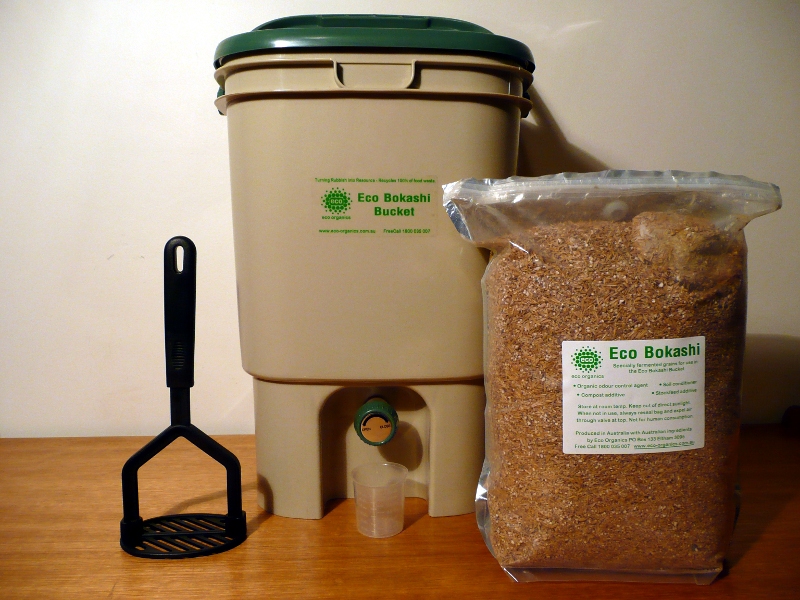
Place the bokashi mix in an airtight container with a spigot, such as a specialized bokashi bucket or bokashi bin.. This maintains the anaerobic conditions required for fermentation, Use a composter equipped with a drainage system to collect any liquid by-products generated during the fermentation process.

Draining Liquid By-Product:

As the organic matter ferments, it releases a nutrient-rich liquid known as “bokashi tea” or “bokashi leachate.” Collect the liquid through the drainage system and use as a potent liquid fertilizer for plants.

Two-Step Process:

.Bokashi composting is a two-step process. Seal the container after it fills with organic waste and the bokashi mix. Leave it to ferment for about two weeks. During this time, it is essential to drain the liquid by-product regularly to prevent any potential issues with excessive moisture. After the fermentation period, bury the mix in the soil, where the final breakdown and decomposition occur or add it to a traditional compost pile or bin to complete the composting process.

Key Differences from Traditional Composting:

Waste Acceptance:

One of the most significant differences between bokashi and traditional composting methods is the types of organic waste that can be processed. Traditional composting often requires excluding certain materials, such as meat, fish, dairy, yogurt, cardboard, and cooked food, due to their potential to attract pests and cause odors . Bokashi composting, on the other hand, can handle a broader range of organic materials, including those typically discouraged in traditional composting.

Indoor Bokashi Composting:

Bokashi is a versatile composting method that can be practiced indoors, making it an excellent option for individuals and households with limited outdoor space or living in urban environments. The compact and relatively odor-free nature of bokashi composting allows it to be carried out conveniently within kitchen spaces, ensuring that organic waste is recycled year-round, regardless of weather conditions.

Speed of Decomposition:

Traditional composting or even vermicompost can take several months to a year, in a compost bin, depending on the composting method and conditions. Bokashi, on the other hand, is a rapid process that can break down waste much more quickly. The initial fermentation stage in the airtight container typically takes around two weeks, and the final decomposition in the soil or traditional compost pile happens faster due to the pre-fermentation of the organic matter.

Preservation of Nutrients:

Bokashi composting’s anaerobic fermentation process helps retain more of the nutrients present in the organic waste compared to traditional composting. Fermentation creates an acidic environment preserving nutrients lost during aerobic composting processes,

Odor and Pest Control:

Traditional composting, especially when not managed correctly, can generate unpleasant odors and attract pests like flies and rodents. In contrast, bokashi composting’s anaerobic nature significantly reduces odors and minimizes the risk of pest infestations due to the sealed containers used during the initial fermentation stage.

Greenhouse Gas Emissions:

Bokashi produces fewer greenhouse gas emissions compared to traditional composting. Traditional composting, especially in large-scale outdoor systems, can lead to the production of methane, a potent greenhouse gas, during the decomposition process. The anaerobic fermentation process of bokashi reduces methane production and overall greenhouse gas emissions.

Liquid By-Product:

Bokashi generates a valuable liquid by-product known as “bokashi tea” or “bokashi leachate.” This liquid is rich in nutrients and can be used as a powerful liquid fertilizer for plants, providing an additional benefit beyond the solid compost generated.

Bokashi Bran vs. Bokashi Tea

The key difference between bokashi bran and bokashi tea or compost tea lies in their functions and properties. Bokashi bran serves as the carrier material for beneficial micro-organisms that kick-start the fermentation process during bokashi composting. It helps break down waste, inhibit harmful pathogens, and produce a nutrient-rich compost material.

On the other hand, bokashi tea is the nutrient-rich liquid by-product of the bokashi composting process, containing valuable nutrients and beneficial micro-organisms. It is a potent liquid fertilizer and inoculant to support plant growth and improve soil and mulch quality. Together, bokashi bran and bokashi tea form a holistic and sustainable composting system that offers numerous benefits for recycling organic waste and promoting eco-friendly gardening practices.

How to Make Bokashi Bran

To create your own homemade inoculated bran for bokashi, you will need a few simple ingredients.. Start with wheat bran, which acts as a carrier for the beneficial microorganisms you’ll be introducing. Next, add some molasses to provide the microorganisms with a food source. Finally, mix in water to create a moist environment for fermentation. Allow the mixture to ferment for several days or weeks until it develops a pleasant sweet-sour smell. Once ready, you can add the inoculated bran to your bokashi bin along with your organic waste.

In summary, bokashi is a unique and effective method of composting organic waste. It stands apart from traditional composting methods in several ways. It processes a wider variety of organic materials, can be done indoors, and is a faster composting process. Other advantages are that it is almost odorless, reduces greenhouse gas emissions, and is pest free. All this makes bokashi an eco-friendly and convenient option for individuals, households, and communities seeking to recycle organic waste and improve soil health.

Starting Bokashi Composting at Home

While it takes some special equipment and materials, the bokashi method requires only about 10 days to convert organic materials into useable material. The nutrient value of the material is among the highest of any composting method. Here’s how to get started in your own home.. First, let’s understand what bokashi is and how it works. It’s an anaerobic process that breaks down organic waste using beneficial microorganisms. Setting up your bokashi system is easy. Choose the right container and bokashi bran for your needs. Then, start adding your food scraps and other organic matter. Make sure to maintain and troubleshoot your system as needed. Once the fermentation process is complete, you can use the finished bokashi compost in your home garden to give your plants and soil a healthy boost.

Uses in the Home Garden

So you’ve got this amazing bokashi compost from all those food scraps, now what? Well, lucky for you, there are plenty of uses for it in your home garden! This fermented organic waste, known as bokashi compost, is like a superfood for your houseplants or to put in your garden. Its an inoculant for the garden soil , increases nutrient availability, and enhances plant growth and health. Whether you use it directly on your plants or mix it into the soil before planting, bokashi compost is sure to give your garden the boost it needs. Plus, it’s rich in beneficial microorganisms that help suppress harmful pests and pathogens. So go ahead and sprinkle some of that magic bokashi goodness in your garden and watch your plants thrive!

Conclusion

In conclusion, bokashi is a fun and efficient way for home gardeners to turn their kitchen waste into nutrient-rich compost. With its unique fermentation process and the help of effective microorganisms, you can quickly transform your food scraps into a valuable resource for your plants. Whether you’re an experienced gardener or just starting out, bokashi offers numerous benefits, including faster decomposition, odor control, and increased soil fertility. So why not give it a try? Start your own bokashi system today and watch your garden thrive.

Growing Pine Nut Trees in Your Garden

  • Pine Forest above Death Valleyy

A Beginner’s Guide

Many years ago, while hiking Telescope Peak above Death Valley, I had my first encounter with the Pinon Pine tree and their wonderful and delicious pine nuts. Here I was in this wild, inhospitable forest 9000 feet above Death Valley, and yet this amazing food source was everywhere around just for the picking. This wasn’t a barely edible, wild survival food eaten only as a last resort. Here was an unlimited supply of incredibly delicious pine nuts. Now, many years later, I am writing about how gardeners can bring this wild food source into their home and grow pine nut trees in their garden.

Types of Pine Nut Trees

Edible pine trees are a group of coniferous trees that produce edible nuts. There are several different species each adapted to different environments.

Stone Pine (Pinus pinea)

This is the quintessential pine nut tree often associated with Mediterranean cuisine. It produces large, delicious pine nuts and is known for its attractive umbrella-shaped canopy.

Stone Pine

Korean Pine (Pinus koraiensis)

Native to Eastern Asia, the Korean pine produces small, sweet nuts. It’s a cold-hardy species that can thrive in cooler climates.

Korean Pine

Siberian Pine (Pinus sibirica)

Also known as the Siberian Cedar or ringing cedar, is a cold-hardy variety, producing slightly larger nuts with a rich flavor. An excellent choice for northern climates., they can grow quite tall.

Mexican Pinyon (Pinus cembroides)

This species is well-suited to warmer, arid regions and produces small, tasty pine nuts. It’s an ideal choice for gardeners in the southwestern United States and similar climates

Why Grow Edible Pine Trees?

Unique Flavor

Pine nuts are incredibly delicious with a distinctive, delicate flavor that enhances a wide range of dishes, from salads to pastas and desserts. Growing them will provide the freshest, most flavorful nuts possible right in your backyard.

Nutritional Benefits

Pine nuts are rich in heart-healthy monounsaturated fats, vitamins, particularly vitamin E, and minerals, like like magnesium and zinc. These healthy fats improve brain function and cognitive health. They also lower bad cholesterol levels for heart health. and are rich in anti-oxidants which helps fight inflammation and protect against chronic diseases. Their high fiber content aids in weight loss. The Siberian Pine and other species contain pinolenic acid which helps reduce food cravings

Landscape Aesthetics

Pine nut trees can also serve as ornamental additions to your garden, providing shade, visual interest, and a touch of exotic beauty. You can create a natural and rustic landscape with pine nut trees by incorporating other coniferous trees and shrubs. Add decorative elements like rocks and mulch for a polished look. With proper pruning, pine nut trees can be grown in small spaces.

Choosing the Right Tree for Your Garden

Varieties of Edible Pine Nut Trees

The stone pine (pinus cembra), pinon pine, Siberian cedar, (Pinus Sibirica) Korean pine are varieties of edible pine nut trees with unique flavors and growth characteristics. The stone pine and Mexican pinyon are two of the most popular varieties. Choose the variety that aligns best with your preferences and growing conditions. Consider regional climate and hardiness zones, soil conditions, available space, maintenance requirements, and personal preferences when selecting a pine nut tree. Experts at your local nursery can be helpful

Getting Started With Planting

Understanding the optimal planting time is crucial. Prepare the soil by removing weeds and improving drainage. Carefully consider root ball and hole depth when planting. Ensure adequate water and protection from extreme weather conditions. Ongoing care and maintenance are essential for healthy growth.

When is the Best Time to Plant?

The best time to plant pine nut trees is during the early spring or late autumn when the weather is cool and moist. It’s important to avoid extreme heat or cold, as it can stress the young tree. Consider your region’s climate and growing season, including frost dates and temperature fluctuations, and consult local gardening resources for guidance.

Preparing the Soil for Planting

Clear the planting area of weeds and grass. Improve soil drainage by incorporating organic matter. Test and adjust soil pH if necessary. Remove rocks and debris. Consider creating a raised bed for better drainage.

How to Plant a Pine Nut Tree?

To successfully plant a pine nut tree, dig a hole that accommodates the root ball without bending or crowding the roots. Place the tree at the same level as the surrounding soil, backfill with soil, and gently firm it around the roots. Water thoroughly and apply mulch to retain moisture.

Ideal Conditions for Growth

To ensure the ideal growth of edible pine nut trees, provide them with at least 6-8 hours of direct sunlight daily. Avoid planting in shaded or wind-prone areas, and water regularly without over watering. Protect from extreme temperatures.

Caring for Your Pine Nut Tree

Tips for nurturing and understanding the specific needs of your pine nut tree for optimal growth. Essential care practices include providing the right amount of sunlight, water, and nutrients, and creating a suitable environment for it to thrive.

Watering Your Pine Nut Tree

Maintaining the right moisture balance in your pine nut tree’s soil is crucial. Understand the water requirements at different growth stages, prevent over watering or under watering, and adjust watering frequency based on weather conditions and the tree’s needs. Monitor soil moisture levels diligently.

Fertilizing the Soil

Selecting the right fertilizer type and nutrient composition is crucial for your pine nut tree’s growth. Implement a fertilization schedule, apply organic or synthetic fertilizers, and consider foliar feeding and soil amendments. Monitor your tree’s response and make necessary adjustments.

Pruning

Pruning your pine nut tree is crucial for its health and structure. Understand the right time and techniques for pruning based on its growth stage. Remove dead or diseased branches to promote better growth and shape your tree for desired density. Manage size, improve air circulation, and maximize sunlight exposure by considering pruning.

Understanding the Growth Cycle of Pine Nut Trees

The growth cycle of pine nut trees consists of different stages influenced by various factors. Recognize the changes occurring during each stage to effectively manage and adjust cultivation practices.

The Maturing Process

As pine nut trees mature, their foliage undergoes changes along with increased cone production. Recognizing these signs helps gauge when the tree is reaching maturity, which can take a number of years. Patience and proper care are key during this process, ensuring optimal nut production. Harvesting considerations also come into play as your pine nut tree matures.

The Reproductive Cycle

Pollination

Pine trees have separate male and female cones. The male cones produce pollen, which is carried by the wind to the female cones. This typically occurs in the spring. The wind-borne pollen must reach the female cones while they are receptive for successful pollination.

Fertilization

Once pollination is successful, the female cones start to develop seeds. It’s important to note that this process can take many months, and in some species, it might take up to two years.

Maturation

Over the course of several years, the seeds within the female cones slowly mature. The cone protects the seeds and only opens when it’s time for dispersal.

Dispersal and Germination

When the cones are ready, they open, releasing the seeds (pine nuts). This usually occurs in the late summer or fall. Some seeds may be dispersed by the wind, while others may rely on animals to carry them to new locations. Once on the ground, the pine nuts can germinate under favorable conditions to grow into new pine trees, starting the cycle anew.

Harvesting

Determining the optimal time for harvesting pine nuts, safe and efficient harvesting techniques, proper handling and storage practices, maximizing yield and minimizing wastage, traditional and modern harvesting methods.

When are Pine Nuts Ready to be Harvested?

To determine when pine nuts are ready to be harvested, look for visual and tactile cues. Monitor changes in cone color, firmness, and cone scales. Consider proper timing to ensure maximum kernel development and flavor. Different pine nut tree species may have variations in maturity timeline. Test readiness through sample cracking and taste evaluation techniques.

How to Harvest Pine Nuts Safely?

To harvest pine nuts safely, start by waiting for the cones to turn brown and open. Wear gloves and long sleeves to protect yourself from sharp needles. Place a tarp under the tree, then shake or tap the branches to loosen the cones. Once harvested, remove the cones and dry the pine nuts in a well-ventilated area. Pine nut production can vary greatly from year to year, but on average a tree will produce 2 to 4 pounds of nuts.

Commerciazl Pine Nut Harvest

Storing Your Pine Nuts Post-Harvest

To clean the outer skin of a pine nut, soften the skin by either boiling for 1 to 2 minutes or blanche them. Gently rub the skin off and dry with a clean towel to remove excess moisture.To maintain the flavor and nutritional value of pine nuts, store them in a cool, dry place in airtight containers. Freezing can extend shelf life, but thaw completely before use.

Common Challenges in Growing Pine Nut Trees and Their Solutions

Soil and climate play a crucial role in growing pine nut trees. Choosing the right location with well-draining soil and adding organic matter can help overcome this challenge. Additionally, monitoring pests and diseases, proper watering and fertilization, and using correct harvesting and processing techniques are essential for successful cultivation.

Long Maturation

The biggest drawback to growing pine nut trees maybe their long maturation. The Stone Pine, Korean Pine, and Siberian Pine all take between 10 and 20 years to produce pine nuts. The Mexican Pinyon can start producing nuts in 5 to 10 years. To get around this, try purchasing more mature trees and make these trees an important aesthetic element in your garden.

Dealing with Common Pests

To deal with common pests in edible pine nut trees, you can control pine needle scale by pruning heavily infested branches and applying horticultural oil. Prevent pine shoot beetles by maintaining healthy trees and using insecticides. Manage Ips beetles by maintaining tree health and removing damaged or dead trees. Control pine sawflies with insecticides or pruning affected branches. Combat pine processionary moths by removing infested trees or using pheromone traps. Pine nut blister rust affects needles and stems, Ips beetle infestations create entry points for diseases, pine wilt disease quickly kills infected trees, and Sphaeropsis tip blight affects new growth. Pruning regularly reduces the risk of disease and pest infestations

Enhancing Your Garden with Pine Nut Trees

Companion Planting with Pine Nut Trees

Planting low-growing groundcover plants around pine nut trees helps minimize weed growth. Choose companion plants with similar sun and water requirements. Consider nitrogen-fixing plants to boost soil fertility. Avoid competing plants, and attract beneficial insects for a thriving ecosystem.

Pine Nut Trees and Climate Resilience

Pine nut trees are highly adaptable to various climates, including drought and cold temperatures. Their resilience to harsh environments makes them ideal for climate change mitigation. With deep root systems, they help stabilize soil, prevent erosion, and contribute to building climate-resilient landscapes.

Conclusion

Growing pine nut trees in your garden can be a rewarding experience for beginners. Consider the benefits and challenges of growing your own pine nut trees. Not only do they add value to your garden, but they also provide you with a sustainable and nutritious food source. There are challenges such as pests, disease, and environmental stressors, but also many rewards. By choosing the right variety, planting at the right time, and providing adequate care, you can enjoy a bountiful harvest for many years..

October Gardening in Zone 10b

October Gardening in Southern California

October is my favorite month, and I know I’m not alone in that – not only is the weather almost perfect most days, but it’s also Halloween which for some inexplicable reason I love.

I keep talking about Southern California in all of my articles but in fact I live in the San Fernando Valley. That’s Zone 10b which is very different from the coast, or San Diego or even Los Angeles. Even though I’m in Los Angeles County – the valley where I am will be 10 degrees hotter at any time than LA and could be up to 20 degrees hotter. So pay attention to the Zone you’re in before planting what I’m planting – and experiment with the micro-climates on your own property.

Gardener’s Guide – What to do in Week 40 2023

Oct 2nd thru Oct 8th 2023

Plant – October is the Best Planting Month of the Year

Did I say that in September? If I did, it’s because like March and April the beginning of fall is just a great time to plant – As always this is not an exhaustive list of everything you can plant in October but rather it’s a few of the things I’m planting and a couple I’m not interested in but you might be!

What to Plant in October

Vegetables

Cool season vegetables to plant now include root vegetables like carrots, radishes, beets, rutabaga, parsnips and turnips. You can also plant peas, radishes, Kolrabi, Kale (I love planting Kale, it’s a beautiful plant but I hate eating it) and lettuce of most kinds. These can all easily be started from seeds now. Sow seeds at the right depth planting too deep is a common mistake. Read the seed packs or check out the plant guides on Greg Alders Yard Posts site. We’ll have the here eventually but for now …

These are best started from nursery packs, according to Robert Smaus, artichoke, broccoli, Brussels sprouts, cauliflower, cabbage and celery.

Ornamentals

From seed, African Daisy (be careful, they can really take over) Alyssum (which seems to come up year after year when nothing else will) California Poppy and wild flowers. And best started from nursery packs, Columbine (which I love but have never kept alive here in the San Fernando Valley, Cyclamen, Iceland Poppy and of course Pansy’s and Viola’s (I’m going to start mine from seed. And finally almost any perennial flower. Okay enough with the lists. Here is …

What I’m Planting Now

Spinach and garlic. My spinach seedlings are not performing that well – I’m going to wait a few more days and plant some more. And although I just recommended you purchase these in nursery packs, Brussels Sprouts I’m going to try sowing seeds again.

Gardening Chores Week 40

Trim, Prune, Divide and Clean Up

There is no better time to continue your fall garden clean up – you did start in September right? The cooler weather provides the perfect backdrop for trimming, mulching, transplanting and just general puttering around. The shorter days might mean you’ve got to do a little bit of planning if you’re going to get to everything.

Trim

Remove dead and dried flower stalks and remove and toss or give away plants that are coming up in the wrong place. I just cut down 3 Fire Plants that I randomly planted when they were about 12 inches. It wasn’t more than 3 or 4 years ago and they had grown to 6 inches in diameter at the base and about 30 feet tall. Sounds cool but isn’t.

Prune

In October, you can consider pruning the following types of plants and trees:

  • Deciduous Trees and Shrubs: October is a good time to prune deciduous trees (those that lose their leaves in the fall) and shrubs. This includes trees like Oak, including Scrub Oaks, Maple, and Liquid Amber. Pruning during the dormant season can help shape the tree, remove dead or diseased branches, and encourage healthy growth.
  • Rose Bushes: Many rose varieties benefit from a fall pruning. Remove dead or diseased branches and spent blooms. Pruning roses in October can encourage a flush of new growth before winter.
  • Pat Welch advises giving your roses up to an inch and 1/2 of water twice weekly this month (I can’t imagine how one measures an inch and 1/2 of water?? Seriously I’d do 1 or 2 gallons per bush and fertilize for the last time this year. Personally I use Bayer Rose and Flower Care 3 in 1 – there is also a 2 in 1. The 3 in 1 protects against insects, disease and it feeds, while the 2 in 1 doesn’t get the disease. For this last feeding use the 3 and 1.
  • Citrus Trees: Citrus trees can be lightly pruned in October to remove dead or crossing branches.
  • Here in the San Fernando Valley ignore advice to feed your fruit trees now, while this works in colder regions, here it forces growth at the wrong time of year. To force dormancy, which we want, hold back on watering after mid-month. Don’t, however, let them completely dry out
  • Perennials and Herbaceous Plants: Cut back herbaceous perennials and plants that have finished flowering. This can help tidy up the garden and encourage regrowth in the spring.
  • Summer-Blooming Shrubs: Shrubs that bloom in the summer, such as butterfly bush (Buddleia), can be pruned in October. Remove spent flower spikes and any dead or overgrown branches.
  • Dormant Fruit Trees: If you have fruit trees that are dormant in October, you can prune them to remove dead or diseased branches, improve air circulation, and shape the tree. Be cautious with citrus trees, as mentioned earlier.
  • Vines: Trim back overgrown or unruly vines, such as bougainvillea or wisteria, in October to maintain their shape and size.

Always use sharp, clean pruning tools, and be mindful of proper pruning techniques to avoid causing damage to your plants. Additionally, it’s a good practice to research the specific needs of the plants and trees in your garden, as some may have unique pruning requirements based on their species and growth habits.

Divide

This is the time to divide all your clumping plants. We talked about dividing your Iris’s in September, so hopefully they are already done. But this is also a great time, in fact the best time to divide Birds of Paradise, Clivia, Daylilies and Amaryllis Belladonna.

There are several good reasons to divide your clumping bulbs and rhizomes every few years. You might want to propagate more plants, keep them to a desired size for either aesthetic reasons or space constraints, or you might divide to encourage blooms. Some bloom better when crowded like Clivia but others stop blooming like Iris’s. Whatever your reasons October is the best time to do it.

Amaryllis Belladonna - these are mine in May of 2023
My Amaryllis Belladonna May 2023

Amaryllis belladonna, also known as the “naked lady” or “belladonna lily,” belongs to the Amaryllidaceae family. Native to South Africa, this bulbous perennial is renowned for its drought resistance and distinct characteristics. I got this beauty when it was a single bulb from someone who actually didn’t like it. I think it’s fabulous, it looks like it belongs in Jurassic Park to me.

Eventually these will form big clumps that will push up out of the ground and need dividing. But be careful, you want the plant to be dormant (after bloom but before new leaves or roots have begun to grow) when you do this, they won’t bloom for several years if you divide them while they are actively growing.* And this shouldn’t be necessary more than once every 4 or 5 years. So if early rains bring unexpected growth just hold off till next year.

How to Divide Clumping Plants

Water deeply a day or two before dividing, it will help the plant recover more easily.

Dig Up the Clump

Using a shovel or spade carefully dig around the clump taking care not to damage the bulbs. Try not to tear at the roots, dig deep enough that you can reach in and pull out the clump or pull it up with the spade.

Separate the Bulbs

Gently shake off excess soil from the bulbs to reveal the individual bulbs or offsets (smaller bulbs attached to the main bulb). Using pruning shears or a sharp knife carefully separate the offsets from the main bulb, leaving some roots on each.

Prepare the Soil

If you’re planting in heavy clay as I am here in Zone 9 in the San Fernando Valley, you should amend your soil before replanting. And really this is true regardless of what you’re planting. I’ve mentioned the old saying before – “It’s better to plant a $1 plant in a $5 hole than a $5 plant in a $1 hole. Those numbers reflect how long that saying has been around. The point is soil prep can’t be ignored if you want results.

To prepare your soil remove weeds and grasses, turn the soil and break up heavy clods, remove stones and roots that compact the soil. Add organic amendments. You can purchase them but I use the free compost and/or mulch available for free from the city and my own home made compost. Dig the amendments in, turn the soil and as much as possible break up the soil so tiny new roots can make their way through it. Robert Smaus recommends adding gypsum but I didn’t have good luck with it – so I don’t recommend it but it might work for you, in my soil it took years to break down. I do like to add organic fertilizer at this stage. I always add Bone Meal, and sometimes Alfalfa and/or cottonseed meal, depending on what is available.

Replant the Bulbs

To get the most blooms plant the bulbs so the top 1/2 to 1/2 of the bulb is above ground, much like the Iris’s we talked about in August.

I would be remiss if I didn’t mention that one of my sources of information – Smaus again – says that they shouldn’t be divided because they take over a year to re-establish and bloom again. I’ve had mine for over 10 years and I have never divided it – but I’ve transplanted it several times because it keeps getting bigger and bigger – I started with one small bulb and now have 6 or 7 very large bulbs that produce about 6 or 7 inch blooms.

bird of paradise
Birds of Paradise

Not a favorite of mine but very popular in So Cal. Birds of Paradise can be found in many Southern California gardens and every Southern California park. I don’t love them unless they are very well maintained which is rare. The clumps can become massive and almost impossible to divide – so if you have them, divide frequently to keep them the size you want. Remove dead, dying, torn and brown leaves as often as possible (expressing my own prejudice once again:) Cut or pull the dead flower stocks at the base – it’s easiest when they’ve died and dried out – but again this contributes to the generally messy appearance of this plant.

Clivia
Clivia

Like the Amaryllis Belladonna described above Clivia is native to South Africa. It is a slow growing, low-maintenance plant that will fit in almost any Southern California garden. The thrive in pots or in the garden in partial to full shade. The leaves are dark green and are frequently described as strap-like. The flowers are trumpet-shaped and almost always orange, though they are also available in yellow, red and pink (though I’ve never actually seen a pink one and in the pictures they look a faded orange to me)

I have one yellow though I’ve purchased them many times, they don’t seem to be as hardy as the orange.

According to Pat Welsh in Southern California gardening Clivia like to be root bound. I’ve kept mine in the same pots for years. But eventually they run out of soil, drainage becomes a problem and they’ll have trouble taking in nutrients. You’ll know it’s time when you don’t see the soil and the roots have started pushing out of the top. If you wait too long it starts getting really difficult to get them out of pot, unless it’s plastic and you can cut thru it, or you don’t mind breaking the pot. In any case when you have to repot them the right time of year is early October.

Clivia in the ground generally don’t need to be divided, but if you have a large clump and want to put some in a different part of your garden go for it. The roots separate pretty easily and in my experience they transplant well.

Clean Up

Flower Gardens

Pull faded annuals, they’re not coming back and it’s time to plant the new ones. In preparation for fall flowers clean and turn the soil in your annual beds, add 2 to 4 inches of organic amendments and mulch.

Vegetable Gardens

Pull all the dead and dying summer vegetables and add the plant debris (if there are no pests or diseases) to your compost pile. These are the organic amendments you’ll be using next year when you prepare your annual beds. I generally don’t add tomato plants and debris to my compost anymore. For years I had tomato’s popping up in every pot and every garden. (now thanks to our squirrels I have peanuts popping up everywhere!)

Resources and References

While much of what I write comes from my own experience gardening for the last 35 or 40 years, I also use a lot of source material while writing these articles and when I have a problem in the garden, or am trying to learn something new. Here are some of my frequently uses resources.

Books

52 Weeks in the California Garden – Robert Smaus

Southern California Gardening – A Month-by-Month Guide – Pat Welsh

The Complete Guide to Southern California Gardening – Maureen Gilmer

Websites

Greg Alder’s Yard Posts

Gardening In LA

Benefits of Raised Beds for Veggies

Home gardens have long been a cherished pastime and a valuable source of sustenance for humanity. It connects us to the earth, provides a sense of accomplishment, and yields fresh, nutritious produce. Among the many methods of gardening, raised bed vegetable gardening has gained increasing popularity in recent years. This method involves planting vegetables in elevated, contained beds rather than directly in the ground. In this article, we will explore the myriad benefits of a raised bed for growing vegetables including improved soil quality to increased yields and accessibility

Improved Soil Quality

One of the foremost advantages of raised bed vegetable gardening is the ability to control and enhance soil quality. Traditional in-ground gardens often suffer from issues such as compaction, poor drainage, and soil erosion. Raised beds, on the other hand, allow gardeners to start with a clean slate, filling them with high-quality soil tailored to the specific needs of the plants.

Enhanced Drainage

If you’ve ever dealt with waterlogged soil or struggling plants, raised beds might just be the solution you’ve been looking for in your garden. One of the key benefits of raised beds is their ability to provide enhanced drainage and promote soil health. By elevating the growing area, raised beds prevent waterlogging and improve aeration, allowing excess water to drain away more efficiently. The use of high-quality topsoil in these beds ensures optimal soil health, reducing the risk of root rot and other water-related plant diseases. Additionally, the healthy soil in raised beds promotes strong root development and nutrient absorption, leading to healthier and more productive plants.

Soil Aeration

The loose, well-aerated garden soil in raised beds encourages robust root growth and optimal nutrient uptake. Gardeners can easily amend the soil with compost or peat moss to further improve its texture and fertility. This level of control is challenging to achieve in traditional gardens.

Weed Suppression

The elevated nature of raised beds makes it more difficult for weeds to infiltrate. By using weed barrier fabric or applying mulch to the top of the soil, you can significantly reduce the time and effort required for weeding, allowing you to focus on more enjoyable aspects of gardening.

Extended Growing Season

If you’re looking to extend your growing seasons and enjoy fresh veggies for longer, raised beds are the way to go! These elevated gardens warm up faster in the spring, allowing for early planting. The added height of the beds promotes better air circulation and prevents frost damage, giving your plants a head start. With the use of cold frames or row covers, you can protect your crops from cold temperatures. Plus, covering the beds with plastic or fabric creates a mini greenhouse effect. Start planting earlier and keep harvesting later into the season with raised beds

Warmer Soil Temperatures

The soil in raised beds tends to warm up faster in the spring, allowing for earlier planting. This extra warmth can be particularly advantageous for heat-loving crops like tomatoes and peppers. In cooler climates, it can mean the difference between a successful harvest and disappointment.

Better Drainage in Wet Climates

If you’re looking to extend your growing seasons and enjoy fresh veggies for longer, raised beds are the way to go! These elevated gardens warm up faster in the spring, allowing for early planting. The added height of the beds promotes better air circulation and prevents frost damage, giving your plants a head start. With the use of cold frames or row covers, you can protect your crops from cold temperatures. Plus, covering the beds with plastic or fabric creates a mini greenhouse effect. Start planting earlier and keep harvesting later into the season with raised beds

In regions with wet springs or frequent rainfall, raised beds can be a lifesaver. They prevent excess moisture from saturating the soil, enabling you to get your plants in the ground sooner and reduce the risk of waterlogged roots.

Controlled Environment

By using row covers, cloches, or cold frames, you can easily protect your crops from late spring frosts or early fall chills. This level of control over the growing environment can significantly extend the growing season.

Increased Yields

Want to take your vegetable garden to the next level? Look no further than raised beds! These raised garden beds provide optimal conditions for plant growth and yield. The soil is rich in organic matter, promoting healthy plants that are bursting with flavor. With improved drainage, you won’t have to worry about water logging or root rot. Plus, you can maximize your crop production by planting closer together in these narrow beds. And the elevated soil temperature in raised beds means you can extend your growing season and enjoy a bountiful harvest for even longer. So why wait? Get started on your own raised bed garden today!

The concentrated layout of raised beds encourages intensive planting. With less space wasted on pathways, you can plant more crops in a given area, maximizing your harvest. Companion planting techniques can be employed more effectively in raised beds to deter pests and boost yields.

Enhanced Soil Fertility

If you want to have better soil quality management in your garden, consider using raised beds. Raised beds offer several benefits that contribute to healthier soil and optimal vegetable growth. One of the key advantages is improved drainage and reduced soil compaction. By providing good drainage, raised beds prevent water logging and allow excess water to flow away. Additionally, raised beds make it easier to add organic matter like compost, which enriches the soil with nutrients and improves fertility. You can also control the soil pH levels in raised beds, ensuring the ideal conditions for your veggies. Another advantage is the use of mulch, which helps conserve moisture and suppress weeds. The improved soil structure provided by raised beds is crucial for root development, allowing your vegetables to grow strong and healthy.r.

Accessibility and Ergonomics

Gardening is a physically demanding activity, and raised bed vegetable gardening can significantly improve its accessibility and ergonomics.

Bending and Stooping

Traditional gardening often requires extensive bending and stooping, which can be challenging for individuals with mobility issues or back problems. Raised beds can be designed at a height that minimizes these physical strains, making tilling and gardening more comfortable and enjoyable for everyone.

Wheelchair Accessibility

For individuals who use wheelchairs or have limited mobility, raised beds can be constructed at an optimal height to allow for easy access and gardening from a seated position. This inclusivity ensures that more people can participate in gardening activities.

Pest Control and Less weeding

Raised beds offer several advantages when it comes to pest and weed control. Their elevated height deters pests like rabbits and moles, while also creating a physical barrier against crawling pests such as slugs. Controlled soil conditions in raised beds minimize weed growth, and the use of mulch helps further suppress weeds. Additionally, the structure of raised beds makes it easier to implement organic pest control methods.

Aesthetics

Who says vegetable gardens can’t be aesthetically pleasing? With raised beds, you can enhance the visual appeal of your garden using relatively inexpensive lumber and other building materials. The defined boundaries of raised beds create a sense of order, and you can design them to complement your overall yard landscape. Plus, the elevated height adds depth and dimension to your garden. Get creative by using a variety of materials and colors to create visually appealing raised beds. Your garden will be the envy of all your neighbors!

Design Flexibility

Raised beds come in various sizes and shapes, allowing you to create a garden that suits your aesthetic preferences. You can design intricate patterns, tiered beds, or simple rectangular layouts, adding an element of creativity to your outdoor space.

Keeping the Garden Neat and Tidy

Raised beds help maintain a tidy and well-organized garden. The defined boundaries make it easier to keep pathways clear, which can contribute to an overall sense of orderliness in your outdoor space. Just another benefit of raised beds for veggies.

Vertical Gardening

Incorporating trellises or vertical supports in raised beds opens up opportunities for growing vining crops like cucumbers, beans, and peas. This vertical gardening not only saves space but also adds a visually appealing dimension to your garden.

Disease and Pest Management

Raised bed vegetable gardening offers some natural advantages when it comes to managing pests and diseases and reducing the need for pesticides.

frost

Isolation

Raised beds provide a degree of isolation for your plants, reducing the risk of diseases spreading from the soil to your crops. This containment can be especially valuable when dealing with soil-borne pathogens.

Monitoring

The elevated nature of raised beds makes it easier to inspect your plants for signs of pests or diseases. Early detection allows for timely intervention, which can prevent the spread of problems and limit damage.

Crop Rotation

Crop rotation is an essential practice in gardening, and raised beds make it even easier to implement. One of the key benefits of rotating crops in raised beds is the prevention of pest and disease buildup. By separating different crops into designated sections, you can effectively minimize the risk of pests and diseases spreading throughout your garden. Moreover, crop rotation in raised beds helps improve soil fertility and nutrient balance. These beds allow for easy amendment of the soil to meet the specific requirements of each crop. With raised beds, you can efficiently rotate crops without disturbing the surrounding soil, ensuring a healthy and productive garden.

Water Efficiency

Efficient water usage is one of the many benefits of raised bed gardening. With raised beds, you can implement drip irrigation systems for precise watering, ensuring that each plant receives the right amount of water. The soil in raised beds has excellent moisture retention properties, preventing water from quickly evaporating. This also reduces the risk of water runoff and promotes efficient water absorption by the plants’ roots. Additionally, the controlled environment of raised beds helps optimize water usage, allowing you to grow your veggies with minimal water wastage. So, you can enjoy a thriving garden while being mindful of water conservation

Reduced Water Waste

The well-draining soil in raised beds minimizes water wastage. Excess moisture doesn’t accumulate in the root zone, reducing the need for frequent watering and conserving this precious resource.

Targeted Watering

Drip irrigation or soaker hoses can be easily installed in raised beds to provide precise, targeted watering to the root zones of your plants. This reduces water evaporation and ensures that each plant receives the necessary moisture.

Mulching Benefits

Applying mulch to the top of the soil in raised beds helps retain soil moisture, reducing the frequency of watering even further. Mulch also acts as a natural weed suppressant, contributing to the overall health and productivity of your garden.

Conclusion

Raised beds offer a multitude of benefits for growing veggies. Not only do they provide convenience and flexibility in gardening, but they also allow for better soil quality management. With raised beds, you can create a neat and aesthetically pleasing garden while enjoying enhanced drainage and improved soil health. Additionally, these beds extend the growing season, reduce strain on your body, promote efficient water usage, and increase crop production. They also aid in pest and weed control, facilitate crop rotation, and can mitigate soil compaction and contamination. So if you want to maximize your vegetable harvest and have a thriving garden, consider using raised beds. Happy gardening!

Balboa Park Gardens: Where Art and Nature Converge

Experience the perfect harmony of nature and art at Balboa Park Gardens, a stunning city park in San Diego. This remarkable park comprises a variety of green spaces, each boasting its own distinctive design, aesthetic, and rich diversity of plant species. However, it’s not only the gardens that make this place exceptional. Balboa Park Gardens also houses several museums and cultural centers, such as the San Diego Museum of Art, the Natural History Museum, the Sand Diego Zoo, and the Spanish Village Art Center.

Balboa Park Courtyard

The Essence of Balboa Park Gardens

Experience the breathtaking blend of nature and art at Balboa Park Gardens in San Diego. Immerse yourself in Spanish colonial architecture and verdant greenery that spans over 1,200 acres, making it one of the largest urban parks in the United States. Uncover the historic Plaza de Panama and El Prado in the park’s central promenade. With easy access to downtown San Diego and the Pacific Ocean, Balboa Park Gardens offers a unique fusion of recreation and cultural enrichment.

Casa Del Prado

Kumeyaay village and native California/Bajeño neighborhood

Discover the rich cultural heritage of the Kumeyaay people and native Californians at Balboa Park Gardens. Experience traditional Native American customs and traditions while exploring the recreated Kumeyaay village. Immerse yourself in the vibrant community of the nearby Bajeño neighborhood, known for its Baja-style architecture. Balboa Park Gardens provide a unique opportunity to connect with the cultural roots of California.

Bonsai style Juniper

Exploring the Green Spaces

Immerse yourself in a remarkable variety of plant species from around the world as you take a leisurely stroll through Balboa Park Gardens. Marvel at the diverse flora and fauna that encompasses these meticulously designed green spaces, offering a serene escape from the hustle and bustle of everyday life. Experience the benefits of being surrounded by nature in the heart of the city and enjoy tranquil moments amidst the serene beauty. Balboa Park Gardens truly offer a peaceful oasis in the heart of San Diego.

Terrarium at Balboa Park Botanic Garden

Species Diversity

Encounter a diverse range of plant species, including rare and exotic specimens, within the Balboa Park Gardens. Immerse yourself in the park’s various gardens and witness the remarkable abundance of flora. Gain insight into the significance of biodiversity and the efforts in preserving these unique plants. Balboa Park Gardens offers an enriching educational experience for botany enthusiasts and nature lovers, showcasing rare species from around the world.

Japanese Friendship Garden

Garden Design and Aesthetics

The stunning garden designs and exquisite aesthetics throughout gardens will leave you marveling at their beauty. Landscape architects have carefully curated a harmonious blend of colors, textures, and scents that create a captivating experience. Every aspect of the garden’s layout and arrangement has been meticulously crafted with attention to detail. These living masterpieces showcase the artistry and creativity that goes into creating visually captivating and emotionally uplifting gardens. Discover the tranquility and beauty that awaits you in these meticulously designed spaces.

San Diego Museum of Art

The Intersection of Art and Nature

Sculptures and art exhibits seamlessly enhance the beauty of the gardens, creating a unique fusion of creativity and nature. Immerse yourself in the vibrant energy that permeates the park’s artistic spaces, where the visual artistry harmonizes with the surrounding landscapes. Balboa Park celebrates the seamless integration of art and nature, offering a captivating experience that showcases the intersection between human creativity and the natural world.

Outdoor Japanese Sculpture

Art Installations Amidst Nature

Encounter captivating art installations nestled in the beautiful landscapes. Explore the interplay between man-made creations and the organic beauty of the surroundings. Discover sculptures and installations that evoke deeper connections to nature and human expression. Balboa Park Gardens provide a breathtaking canvas for artists to showcase their work, blurring the boundaries between art and nature. Immerse yourself in an immersive art experience amidst the enchanting ambiance of the park.

Spanish Arcitecture

Architectural Wonders

The Spanish colonial-style buildings, housing various cultural institutions, offer a glimpse into the rich history and architectural heritage of this unique destination. Admire the grandeur of iconic structures like the Casa Del Prado Theatre and the San Diego Natural History Museum, which stand as testaments to the city’s artistic and intellectual legacy. Balboa Park Gardens truly showcase architectural gems that are as enchanting as the surrounding gardens themselves. The Bea Evenson fountain adds to the allure of the park, providing a beautiful focal point for visitors to enjoy.

Design Zone

Immerse yourself in the vibrant Design Zone of Balboa Park Gardens. Discover innovative and contemporary designs that push the boundaries of creativity. Explore interactive exhibits and installations that engage all your senses, experiencing the intersection of design, technology, and nature in this dynamic zone. Balboa Park Gardens’ Design Zone offers a glimpse into the future of art and design.

Special Events

Museums and Cultural Centers

Immerse yourself in the extensive collection at the San Diego Museum of Art. Uncover the region’s history and culture at the San Diego History Center. Experience the wonders of science and natural history at the Fleet Science Center and the San Diego Natural History Museum. Balboa Park Gardens offer a comprehensive cultural experience for visitors of all ages. The Old Globe Theatre, San Diego’s largest arts organization, is also located in Balboa Park, adding to the vibrant cultural scene. On its three stages, the Globe annually presents at least 14 productions and 550 performances.

San Diego Art Museum

The San Diego Museum of Art

Explore a vast collection of art from around the world at The San Diego Museum of Art. Immerse yourself in diverse artistic styles and mediums, gaining a deeper understanding of different cultures through their expressions. Discover renowned masterpieces alongside lesser-known gems, all housed in a beautiful setting that combines art and history. Experience the intersection of creativity and heritage within the walls of this renowned art museum.

Natural History museum

The Natural History Museum at Balboa Park Gardens

Journey through the captivating tale of life on Earth at The Natural History Museum. Explore the wonders of prehistoric creatures as you encounter awe-inspiring dinosaur fossils and specimens. Dive into the rich biodiversity of California and beyond, learning about the intricacies of our natural world. Engage with interactive exhibits and educational programs that bring the story of our planet to life. Discover the beauty and complexity of nature through engaging displays and immerse yourself in the fascinating world of natural history.

The Spanish Village Art Center

The Spanish Village Art Center at Balboa Park Gardens

Discover a vibrant community of local artists and artisans at the Spanish Village Art Center. Witness the creative process firsthand in working studios, where artists bring their ideas to life. Discover unique handmade crafts and one-of-a-kind artworks, each telling a story. Support local artists by purchasing their original creations and contribute to the lively atmosphere of this artistic hub. Immerse yourself in the creativity that thrives within the Spanish Village Art Center.

Botanical Garden

The Role of Botanic Gardens in Plant Preservation

Botanic gardens play a crucial role in plant preservation. They protect and preserve endangered plant species, conducting research on conservation and restoration. These gardens also collaborate with international botanical networks to join forces in conservation efforts. Additionally, they educate the public about the importance of plant biodiversity and provide resources and expertise to support conservation projects. By safeguarding and promoting the preservation of plants, botanic gardens contribute significantly to the overall health of our planet’s ecosystems.

Desert Garden

Conservation Projects at Balboa Park Gardens

Conservation projects at Balboa Park Gardens encompass a range of initiatives aimed at restoring native habitats and ecosystems within the park. The gardens also implement a comprehensive plan for sustainable water management practices to minimize environmental impact. Additionally, there is a strong focus on conserving and propagating rare and threatened plant species. Balboa Park Gardens actively engages in community-based conservation initiatives and partners with local organizations to promote environmental stewardship. These projects exemplify the park’s commitment to preserving nature and fostering a sustainable future.

Night time event space

Special Events and Exhibitions

Immerse yourself in the vibrant cultural and educational events held throughout the year at Balboa Park Gardens. Witness breathtaking displays of floral beauty during seasonal flower shows and attend workshops and lectures by horticultural experts. Engage in hands-on activities to deepen your understanding of plants and participate in guided tours to discover the park’s hidden treasures. From artistic exhibitions to educational experiences, these special events offer a unique way to explore the intersection of art and nature.

Poopies and Cherry Blossoms

Seasonal Flower Shows

Lose yourself in the beauty and fragrance of flowers in full bloom while gathering inspiration for your own garden from expertly arranged exhibits. Learn about the unique characteristics of different plant species and discover the latest trends in floral design and gardening techniques. Don’t miss the opportunity to witness the seasonal flower shows and indulge in the world of botanical wonders.

Workshops and Educational programs

Educational Workshops and Events

Expand your knowledge with informative workshops and seminars led by horticulture, conservation, and sustainability experts. Acquire practical skills in gardening, plant care, and landscaping while participating in engaging activities that promote environmental awareness. Connect with like-minded individuals passionate about nature and art, fostering a sense of community and shared interests. Balboa Park Gardens offer a unique opportunity to learn and grow in a vibrant and educational setting.

Japanese Garden

Why Should Balboa Park Gardens Be Your Next Destination?

Immerse yourself in lush gardens and stunning architecture, expand your knowledge of art, history, and the natural world, and uncover hidden gems that showcase the diversity of this enchanting destination. Create lasting memories in a picturesque setting that inspires and rejuvenates.

Art meets nature

Unique Experiences Offered by the Public Garden

Explore the stunning Spanish colonial architecture scattered throughout Balboa Park, providing a unique backdrop for the gardens. Immerse yourself in their beauty, offering panoramic views of the Pacific Ocean that leave you breathless. Discover the rich history of the Panama-California Exposition, a pivotal moment in the city’s development. Engage in cultural activities, such as live performances and art exhibitions, that showcase the vibrant spirit of Balboa Park. And don’t miss the chance to visit the world-famous San Diego Zoo, a beloved attraction within the public park.

« Older posts Newer posts »

© 2026 Garden Geeking