For Garden Geeks

Featured (Page 1 of 8)

Unlocking the Exotic Beauty of Bromeliads: A Beginners Guide

Unlocking the Exotic Beauty of Bromeliads: A Beginners Guide

Do you want to add a touch of exotic beauty to your garden? If your haven’t already, you have to check out Bromeliads. These stunning plants come in a wide variety of shapes, sizes, and colors, making them an excellent addition to any garden or indoor space. In this guide, we will take a deep dive into the world of Bromeliads. From the different varieties and their aesthetics to ideal planting conditions and tips for successful propagation, we’ve got you covered.

We’ll also provide essential care guidelines, including light and temperature needs, soil and watering practices, and fertilization tips. And if you encounter any problems while cultivating Bromeliads, don’t worry! We have included a problem-solving guide that covers common pests and diseases and how to resolve overwatering or hard water issues. Finally, we’ll reveal the secrets to encouraging vibrant blooms in your Bromeliads. Get ready for your house and garden to level up by unlocking the beauty of Bromiliads!

Bromiliads in a basket

Unearthing the Exotic Allure of Bromeliads

Uncovering the allure of bromeliads reveals a world of diverse beauty. These brightly colored plants exhibit unique charm and appeal, with striking blue flowers and ornamental pineapples adding to their intrigue. Epiphytic bromeliads, such as Aechmea Fasciata and Ananas Comosus, thrive in bright light and a humid environment. Delving into the exotic allure of bromeliads reveals a wonder of the plant kingdom, from the captivating charm of Spanish moss to the breathtaking beauty of Vriesea Splendens.

Delving into Bromeliad Variety

From vibrant red flowers to the enchanting pink blooms, each species offers its own distinct charm. The diverse range includes Epiphytic bromeliads like Aechmea Fasciata and terrestrial species such as Guzmania Lingulata, originating from South America. Exploring this array of stunning plants introduces gardeners to a world of beautiful foliage, captivating flower spikes, and ornamental pineapples.

Air Plants

Bromeliads are plants that can grow well as air plants, especially Tillandsia plants. These plants collect all the food and moisture they need with their leaves but need a little help from humans in indoor settings. They can be nested onto logs, moss, or other non-soil organic items. Many bromeliads that are epiphytic can also be grown in containers or mounted to boards or logs as authentic air plants. It’s important to note that air plants require humid air to prosper, and misting them frequently may be necessary to provide the required humidity, especially for air plants that obtain moisture from the air.

Tropical and Subtropicall

Bromeliads are a family of plants that come in a variety of shapes, sizes, and colors. Some species of bromeliads are grown as houseplants while others are found in tropical and subtropical regions of the Americas. The most common bromeliads that are usually grown as houseplants include Guzmania spp., which has green leaves topped by clusters of red, orange, yellow, purple, or white flowers. These bromeliads are easy to care for and make stunning additions to any indoor garden.

The Charm of Bromeliad Aesthetics

Enjoying the beauty of bromeliad aesthetics can be truly mesmerizing. Their stunning visual appeal and charm add a touch of natural beauty to any environment. These plants come in a wide range of species, each offering unique features that contribute to their charm. Bromeliads are a delightful addition to any space, enhancing the aesthetic appeal with their beautiful foliage and colorful flower spikes. Introducing the beauty of bromeliads enriches your surroundings with an exotic and warm ambiance.

Variety of Bromiliads

Planting and Propagation Tips and Tricks

In order to propagate bromeliads, start by choosing a healthy and mature plant that has well-developed pups or offshoots. Gently separate the pups from the parent plant, making sure they have roots. Plant each pup in a well-draining mixture such as orchid or bromeliad mix. It is important to keep the soil consistently moist but not overly saturated with water. Provide them with bright, indirect light. Once they have rooted, which may take a few weeks, slowly acclimate the new plants to their preferred light conditions. Bromeliads thrive in warm and humid environments. Regularly misting the foliage can help increase humidity levels. By providing proper care, you will be rewarded with vibrant and long-lasting blooms.

What are the Ideal Conditions for Planting Bromeliads?

To ensure healthy growth and vibrant foliage, it is important to plant them in well-draining soil mixed with orchid or bromeliad mix. When choosing a location, opt for an area that receives bright, indirect light, avoiding direct sun. It is also crucial to maintain temperatures between 60-80°F (15-27°C) and provide high humidity. When watering, it is best to water moderately and allow the potting mix to partially dry between waterings. To prevent water stagnation, use pots with drainage holes. In tropical climates, it is suitable to plant bromeliads outdoors on well-ventilated sites that are slightly elevated. For indoor cultivation, misting or placing the plants near a humidifier can be beneficial. By ensuring these conditions are met, bromeliads will develop healthy root systems and display vibrant foliage.

Aechmea Fendleri

Bromeliad Care Essentials

Place them in an area with bright, indirect light while avoiding direct sunlight. It is important to keep the central cup filled with water and make sure to change it regularly. Utilizing a well-draining mix, such as bromeliad or orchid mix, is advised. When watering the soil, it is best to do so moderately and allow it to dry slightly between watering sessions. Maintaining a warm environment within the range of 60-80°F (15-27°C) is ideal. To provide high humidity, misting the plants or placing a tray of water nearby can be effective. Fertilization should be done monthly during the growing season using a diluted and balanced liquid fertilizer. Removing spent blooms and pups as necessary will also contribute to their overall well-being. By following these essential guidelines, your bromeliads are sure to thrive.

Light and Temperature Needs

Bromeliads flourish in well-lit areas that do not receive direct sunlight. They have a preference for sunlight that is filtered or artificial light that is moderately intense. It is important to avoid exposing them to direct sunlight for extended periods as this can cause their leaves to burn.

Temperature Needs

In terms of temperature, bromeliads generally thrive in a range of 60-80°F (15-27°C). They are sensitive to frost and cold temperatures, so it is crucial to shield them from extreme cold. In warmer temperatures within this range, along with sufficient humidity, they experience optimal growth and their leaves exhibit vibrant colors. Some species even develop flowers under these conditions.

Soil and Watering Guidelines

Bromeliads require well-drained soil to avoid waterlogged roots. You can use a specialized mix for orchids or bromeliads, or create a blend by combining regular potting soil with orchid bark or perlite. To water bromeliads properly, make sure to keep the central cup (the rosette of leaves) filled with water. Moderate watering is recommended, allowing the soil to partially dry out between each watering session. Be careful not to overwater as this can lead to root rot. It is best to use room-temperature water to prevent any shock to the plant. Some bromeliads may also benefit from occasional misting to increase humidity around the foliage. Adjust the frequency of watering based on environmental conditions and the specific requirements of your particular bromeliad species.

Neoregelia Casablanca

Should I Use Fertilizer ?

Effective fertilization routines support healthy growth and blooming, providing the right nutrients for thriving foliage and vibrant blooms. Key strategies include using half strength liquid fertilizer at the base of the plant, especially during the growing season.

Bromiliads hung in a tree

Bromeliad Problem-Solving Guide

Bromeliads are generally resilient plants, although they can be vulnerable to specific pests and diseases. Some common problems include:

1. Scale Insects: These tiny, stationary pests attach themselves to leaves and stems, extracting sap from the plant. They can be controlled by using insecticidal soaps or horticultural oils.

2. Mealybugs: These small, cotton-like insects often gather in leaf axils or at the base of the plant. They can be manually removed or treated with insecticidal soap.

3. Spider Mites: These arachnids can cause stippling on leaves, resulting in discoloration. Increasing humidity, rinsing leaves, or using insecticidal soap can help manage them.

4. Root Rot: Excessive watering or poorly-draining soil can lead to root rot. It is important to ensure well-draining soil and avoid waterlogged conditions.

5. Fungal Issues: Bromeliads may develop fungal infections, especially when conditions are excessively damp. Improving air circulation and avoiding overhead watering can help prevent this.

6. Bacterial Soft Rot: Bacterial infections can cause soft rot, primarily affecting the center of the plant. Infected parts should be removed and treated with a copper-based fungicide.

Taking preventive measures such as proper watering, well-draining soil, and regular inspection can contribute to maintaining the health of bromeliads. If any issues arise, it is crucial to promptly identify and treat them for effective pest and disease management.

Pink Quill

Secrets to Sparkling Blooms

Encouraging vibrant blooms in your bromeliads involves understanding the factors contributing to their stunning beauty. Implement proven strategies for promoting healthy and colorful blooms, including enhancing the blooming cycle and ensuring an abundance of beautiful flowers. By focusing on bromeliad care techniques and creating a favorable environment with the right light, water, and fertilizer, you can unlock the secrets to sparkling blooms that will enhance your gardening experience. To ensure that bromeliads produce stunning blooms, there are several key factors to consider:

1. Lighting: It is important to provide bright, indirect light for a minimum of 10-12 hours each day. Direct exposure to the sun should be avoided as it can damage the leaves.

2. Watering: The central cup should always contain water, and the soil should be moderately watered. Allowing the soil to partially dry between waterings helps prevent overwatering.

3. Temperature: Maintaining temperatures between 60-80°F (15-27°C) consistently is crucial for promoting flowering in bromeliads.

4. Humidity: Bromeliads, especially those originating from tropical environments, thrive in higher humidity levels. Regular misting or placing the plant in a naturally humid area can be beneficial.

5. Fertilization: During the growing season, it is recommended you apply a balanced water-soluble fertilizer. To prevent over-fertilization, use half the suggested strength.

6. Flowering Cycle: Familiarize yourself with the specific flowering cycle of your bromeliad species. Some species only bloom once and then produce pups, while others have multiple blooming cycles on the same plant.

7. Ethylene Exposure: Take measures to protect bromeliads from exposure to ethylene, a gas emitted by fruits. Ethylene can hinder flowering and negatively impact the quality of blooms. By adjusting these factors according to the unique requirements of your bromeliad species, you can create an environment that promotes beautiful and long-lasting blooms.

Rare Bromiliads

How Has Cultivating Bromeliads as Houseplants Enhanced Your Gardening Experience?

Discover the transformative influence of cultivating bromeliads in your home. Enrich your repertoire and embrace the unique benefits these exotic plants offer. Learn from fellow enthusiasts’ experiences and witness the profound impact bromeliads have on the overall vibe of your home. Let bromeliads spark joy in your living space!

Air Plants

Bromeliads are plants that can grow well as air plants, especially Tillandsia plants. These plants collect all the food and moisture they need with their leaves but need a little help from humans in indoor settings. You can nest them onto logs, moss, or other non-soil organic items. Many bromeliads that are epiphytic can also be grown in containers or mounted to boards or logs. It’s important to note that air plants require humid air to prosper, and misting them frequently may be necessary to provide the required humidity, especially for air plants that obtain moisture from the air.

Pineapple

In Conclusion

In conclusion, bromeliads are truly a captivating addition to any garden or indoor space. With their exotic allure and stunning aesthetics, they can instantly elevate the beauty of your surroundings. Taking care of bromeliads is relatively easy, as long as you provide them with the right amount of light, temperature, soil, and water. And if you encounter any problems like pests or diseases, there are effective solutions available. With proper care and attention, bromeliads will reward you with sparkling blooms that are sure to impress.

Mendocino Coastal Gardens: A Seafront Oasis

View from above

If you’re looking for a peaceful escape from the hustle and bustle of everyday life, look no further than the Mendocino Coastal Gardens. Located on the edge of the Pacific Ocean, this seafront oasis is truly a one-of-a-kind experience. With its unique location and stunning views, visiting the in person will transport you. In this blog post, we’ll take you on a journey through the Mendocino Coastal Gardens, exploring its many features and highlighting some tips to enhance your visit. We’ll also delve into how it impacts local ecology, as well as share some information about upcoming events and classes.

Discover sculptures through out the park

Discover the diverse plant collections the public garden offers. Explore the heritage rose garden, succulent garden, and botanical wonders of the coastal bluff. Check out the formal gardens and dense coastal pine forest along the main loop. A must-visit for nature enthusiasts.

Cactus Garden

The Significance of the Location

Nestled in Northern California, Mendocino Coastal Gardens offers the only seafront botanical Garden in the U.S. Founded in 1961 by Ernest and Betty Schaefer and opening in 1966. The gardens are famous for its delicate species Rhododendrons that produce beautifully fragrant blossoms. These flowers are native to the cloud forests of Southeast Asia and the Himalayas, so they thrive in the foggy coastal climate. Explore the coastal flora and native wildlife while enjoying Pacific Ocean views and the surrounding pine forest. Discover the town of Fort Bragg and experience the unique species only found there. The property and botanical are now under the care of Mendocino Coast Botanical Gardens Corporation, a nonprofit 501(c)(3) membership organization. Click here to sign up for membership.

Angelica stricta ‘Purpurea’

The Floral Collections

Discover a stunning array of floral collections at Mendocino Coastal Gardens, including rhododendrons, dahlias, begonias, conifers and heritage roses to name a few. Explore the coastal pine forest, the succulent garden, and the formal gardens to experience diverse coastal flora, foliage, and bloom.

Blue Conifer

The Conifer Collection

Amidst the Mendocino Coastal Gardens, explore the dense coastal pine forest’s diverse flora and foliage, including the conifer collection. Experience the coastal flora and nursery, delving into the plant collections that thrive in full sun. The collection contains nearly 200 different varieties, including dwarf, intermediate, and large specimens.

Thirty-seven of those species are on the IUCN (International Union for the Conservation of Nature) Red List of threatened species and are classified as a Rare Conifer Collection.

Sculpture

The Sculpture Collection

As you explore the garden, you’ll encounter stunning sculptures and botanical art adorning the coastal bluff. The art installations perfectly complement the lush flora, making for a unique and enriching experience.

View from a coastal bluff

The Coastal Bluff of California

Perched on the northern California coast, the Mendocino Coastal Gardens boast stunning ocean views and a sprawling coastal pine forest. Visitors can explore the lush flora and foliage, experience the succulent garden, and delve into the garden’s coastal bluffs.

Tips to Enhance Your Visit

Experience the garden’s coastal pine forest, succulent garden, and the breathtaking coastal bluffs. Plan your visit to uncover the best times to explore. Delve into the garden’s amenities, trails, and various blooms for a memorable trip.

Festival of Lights

When is the Best Time to Visit Mendocino Coastal Gardens?

The coastal pine forest blooms best from June to October, with special events and the festival of lights in December. The garden offers year-round events, open every Friday, showcasing the beauty of northern California’s flora.

Essential Items to Carry on your visit

When planning a trip to the Mendocino Coastal Gardens, remember the essentials. Bring sunscreen and hats for sun protection, comfortable walking shoes, a camera for stunning views, binoculars for bird watching, and a light jacket for coastal breezes.

Extensive trails throughout

What Makes the Ocean View Special?

Visitors are treated to breathtaking panoramic views of the Pacific Ocean, blending with coastal bluffs. Experience the enchanting ocean view, where the soothing sounds of crashing waves create a serene ambiance. Immerse yourself in the ever-changing moods of the ocean, surrounded by coastal flora. This picturesque setting is perfect for peaceful contemplation or delightful picnics. And don’t miss the awe-inspiring sunset views over the Pacific Ocean. The tranquil backdrop of the ocean provides a serene setting for leisurely strolls, and guests may even witness mesmerizing gray whale migrations. The coastal pine forest further enhances the captivating allure of the ocean view.

Dahlia Flower

Rare Sightings and Experiences

Lucky guests may chance upon native flora and succulents along the coastal bluffs. They can marvel at the beauty of the heritage rose garden, displaying rare rose varieties. The gardens offer opportunities to observe diverse plant collections in full bloom, as well as encounter fascinating wildlife such as native birds and butterflies. The area is equally as famous for it’s bird watching.

How the Gardens Impact Local Ecology

The Coastal Gardens actively preserve native flora, contributing to biodiversity. Visitors can learn about sustainable gardening practices and their efforts in conserving the Coastal Pine Forest. It serves as a living classroom on coastal ecology.

Contribution to Biodiversity

Within the grounds, a rich variety of flora, from native Rhododendrons to Coastal Heaths thrive. The dense Coastal Pine Forest, vital to the ecosystem, offers a haven for numerous coastal plant species, contributing significantly to local biodiversity.

Vegetable Garden and Orchard

Role in Conservation Efforts

The gardens actively participate in preserving endangered coastal flora, supporting conservation of native ferns and succulents. Visitors can engage in educational tours highlighting the gardens’ conservation endeavors, learning about rare plant species and propagation of botanical specimens.

Dahlia Garden

Visitor Experiences and Amenities

Discover the tranquil haven, perfect for relaxation, and meditation. Engage in sensory exploration, from fragrant roses to rustling pines. Join guided tours, explore coastal plants, and enjoy amenities. Visit the open year-round coastal oasis.

Staghorn Fern

Memorable Moments Shared by Visitors

Visitors delight in discovering the vibrant coastal succulent garden and spotting unique native flora and fauna. The serene ambiance of the coastal pine forest leaves a lasting impression, offering solace and connection with nature.

Annual Festival of Lights

Events and Classes Offered at Mendocino Coastal Gardens

Explore a variety of events including plant sales and workshops. Learn about sustainable gardening and plant care in classes designed to inspire a love for coastal flora and the ocean environment. Special events like the Festival of Lights draw visitors year-round, catering to diverse interests.

Rose Garden

Overview of Regular Events at Mendocino Coastal Gardens

Immerse yourself in botanical art exhibitions and live music performances. Experience the Dahlia bloom festival in August. Join walking tours, birdwatching, and coastal bluff hikes. Don’t miss the popular Heritage Rose Garden tour and events celebrating native flora.

Educational Events

Educational Opportunities and Classes

Take part in a number of classes on coastal plant collections. Learn about Fern Canyon ecology and succulent care. Discover the heritage of the Coastal Pine Forest and its importance. Delight in classes on coastal flora and the bloom season, and workshops like the Nature Journaling Club or Bird Watching with Mendocino Coast Audubon Society. Check out the Calendar for other events and classes

Conclusion

In conclusion, Mendocino Coastal Gardens is more than just a garden – it’s a transformative experience. So check it off your list and immerse yourself in the natural beauty and serenity that this seafront oasis has to offer.

Lotusland : A World Class Garden Here in California

Madame Ganna Qalska

Are you tired of the same old tourist attractions in California? Do you want to explore something new and exciting? Look no further than Lotusland, a world-class garden nestled in Santa Barbara’s residential neighborhood, also known as Ganna Walska Lotusland. This hidden gem is among the top ten botanical gardens worldwide, and for good reason. With its unique flora and stunning landscapes, including 37 acres of lush gardens, it’s a sight to behold. But don’t just take our word for it – come see for yourself!

In this blog, we’ll dive into all things Lotusland: from the legacy of Madame Ganna Walska to the best time to visit and which gardens to visit while you’re there. Get ready to experience the awe-inspiring Aloe Garden, take a stroll through the mystical Japanese Garden and explore the vibrant Bromeliad Gardens and more. Don’t worry it may take more than one visit to really see it all!

Cactus Collection

Exploring Lotusland : One of the Top Gardens on Earth

Uncover the enchantment of Lotusland, a renowned private-garden brimming with extraordinary flora. Delight in the presence of rare plants, cacti, and bromeliads. Engage in informative docent tours and explore the extensive plant collection. Discover the secrets of this unique horticultural haven.

Tropical pond

Why Lotusland is Among the Top Ten Botanical Gardens Worldwide

Lotusland’s enchanting grounds, vibrant pathways, and unforgettable lotus blooms make it a must-visit destination. The engaging showcase of rare plants and an immersive gift shop experience elevate the visit. It’s no wonder Ganna Walska Lotusland ranks among the top ten botanical gardens not just in the United States – but the world!

The Unique Flora

Amidst the engaging bromeliads and stunning lotus flowers, visitors are invited to uncover the beauty of Lotusland. The vast plant collection boasts cacti, ferns, and enchanting pathways, ensuring an unforgettable experience at California’s vibrant garden.

Madame Ganna Walska

About Madame Ganna Walska

Madame Walska, a remarkable figure at Lotusland, has left an intriguing legacy. Her captivating achievements and extraordinary journey reflect her remarkable vision and passion. Immerse yourself in the colorful history and fascinating anecdotes of this iconic personality.

Preparing for Your Visit

Ensure a seamless visit to Lotusland during winter, avoiding traffic delays by adjusting your reservation date. Prepare for an engaging experience come rain or shine, taking advantage of daily availability and complimentary visits at the world-class garden. Embrace special events without extra cost.

Topiary

Best Time to Visit

The vibrant bloom of lotus flowers at Lotusland can be experienced from June to September. Engage in the beautiful pathways during the winter season, uncovering rare plants and topiary.

Succulents and pond

The Essential Checklist for Your Visit

Don’t miss out on the captivating lotus flowers, bromeliads, and scenic pathways at Lotusland. Maximize your experience with engaging docent tours, and keep in mind the time of year so you can witness the unforgettable bloom of lotus flowers. Smooth out any traffic delays by scheduling your reservation time for an unforgettable trip to Lotusland! If you are unable to make your original reservation date, make sure to give notification of cancellation, and make a second reservation as this is not an experience your want to miss.

Never ending paths

Experiencing the Gardens

Do not miss the mesmerizing Aloe G arden. Engage with daily docent tours and explore captivating pathways, lotus flowers, and bromeliads. Experience the enchanting bloom of lotus flowers and discover the world-class garden’s topiary.

Aloe garden

The Awe-Inspiring Aloe Garden

Prepare for an unforgettable experience by scheduling your reservation date and making the most of the engaging docent tours, rarest plants, and topiary at Ganna Walska Lotusland. Don’t miss the unforgettable bloom of lotus flowers, cacti, and pathways in this world-class garden.

Japanese garden

The Mystical Japanese Garden

Uncover engaging pathways, topiary, and bromeliads at Lotusland. Bask in the unforgettable bloom of lotus flowers. Smooth traffic delays by rescheduling your reservation date for special events. Make the most of this serene experience at Ganna Walska Lotusland!

Bromilliads

The Vibrant Bromeliad Garden

Tended to for 40+ years by veteran gardener Mike Furner, who actually worked for Madame Walska when it was still her private estate. Entering the Bomiliad Garden feels like leaving the modern world. Immerse yourself in the stunning bloom of lotus flowers, pathways, and engaging bromeliads. Ensure a seamless visit by adjusting your reservation date to explore these rare plants. Engage with nature at your own pace and embrace the vibrant beauty of the bromeliads in all their glory.

Main house and water garden

The Serene Water Garden

Immerse yourself in the picturesque water garden, enjoying its tranquil ambiance and diverse plant collection. Take a leisurely stroll, soaking in the calming effect of the lush surroundings. Explore and appreciate the serene beauty at your own pace.

Extensive pathways

The Highlights of Ganna Walska Lotusland

Get ready to uncover the hidden gems and unique features of Lotusland’s breathtaking gardens. Experience the vast collection of rare plants and horticultural marvels, including topiary, bromeliads, cacti, and ferns. Delve into the engaging way the gardens showcase the rarest plants, offering a special experience for all visitors.

Main house And Rose Garden

The Main House and its History

Experience the rich history and cultural significance of the main house. Explore the splendid interiors and captivating design, uncovering secrets associated with Madame Walska’s residence. Discover the intriguing stories behind the construction and learn about the fascinating architectural charm.

Cycad

The Unique Cycad Garden

Lose yourself in the captivating beauty and historical significance of the diverse range of cycads, some of the oldest plants on earth. Marvel at the rare and exceptional collection showcasing the horticultural marvels of the ancient cycads.

Blue Garden

The Stunning Blue Garden

Immerse yourself in the enchanting allure of the mesmerizing blue garden. Discover the inventive and captivating display of its plant collection in a serene ambiance. Explore the wide array of blue-hued flowers and plants, experiencing their calming effect. Marvel at the breathtaking beauty it offers.

Illustration of Lotusland

What Can You Bring Back from Your Visit ?

Take home lasting memories of the enchanting garden shop. Capture the beauty of this experience through photographs and cherished moments. Share the magic with loved ones and inspire them with your horticultural knowledge. Preserve the essence of this world-class estate through cherished mementos and memories.

Statues imported from France

Conclusion

In conclusion, Ganna Walska Lotusland is a hidden gem in California, offering a world-class experience. With its unique flora and stunning landscapes, it has earned its place among the top ten botanical gardens worldwide. Madame Ganna Walska’s vision and passion have created a truly awe-inspiring destination for nature lovers. Don’t miss out on the breathtaking Aloe Garden, mystical Japanese Garden, vibrant Bromeliad Gardens, and serene Water Garden. So before you leave, don’t forget to bring back a piece of Lotusland with you, whether it’s a plant or a memory. Immerse yourself in the beauty and tranquility of Lotusland – a true oasis in California’s backyard.

Praying Mantis: A Garden’s Best Friend

Praying Mantis: A Garden’s Best Friend

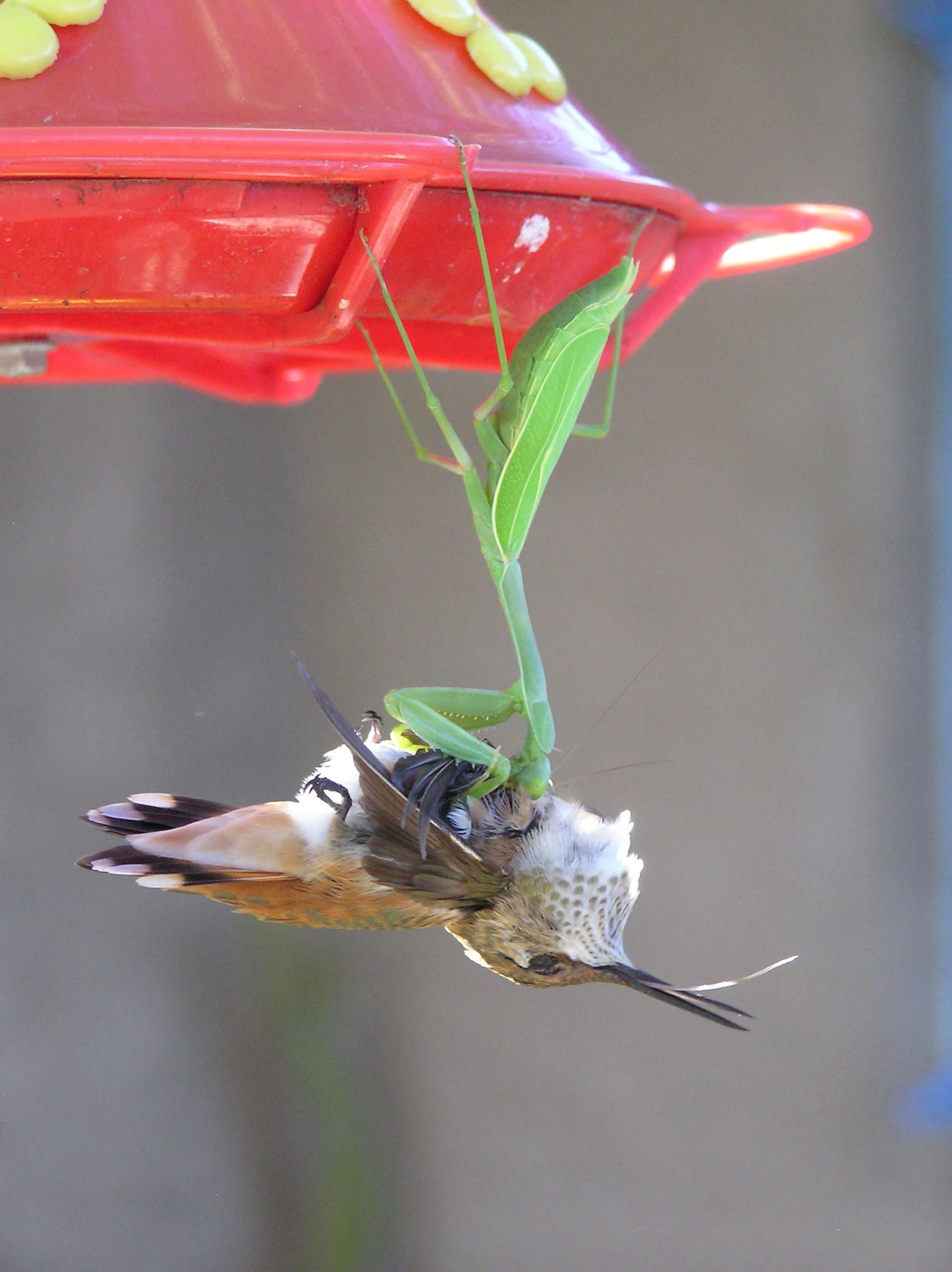
I grew up in the projects of Brooklyn NY adjacent to the Jamaica Bay wetlands. To a child, these wetlands seemed immense, forbidding, and mysterious. At the summer day camp I attended when I was 5, my favorite activity was to go on hikes in these ‘swamps’. There was always something fascinating to see. It was on one of these hikes that I encountered my first praying mantis. I remember it so well because this was the biggest, scariest bug I had ever seen. As it turns out, these bugs which look so harmful are one of a gardener’s best friends.

If you’re a gardener, you know how important it is to have the right allies in your corner. The praying mantis is one such ally that you should consider having in your garden. Not only are they fascinating creatures to watch, but they are also incredibly beneficial for your garden’s ecosystem. In this blog post, we will talk about the role of praying mantis in your garden and how they benefit the environment. We’ll also discuss the pests commonly consumed by praying mantis and the different types of praying mantis species that exist. Lastly, we’ll share where you can buy these little helpers and how to introduce them into your garden effectively. Read on to learn why praying mantis might just become your garden’s best friend!

Understanding the Role of Praying Mantis in Your Garden

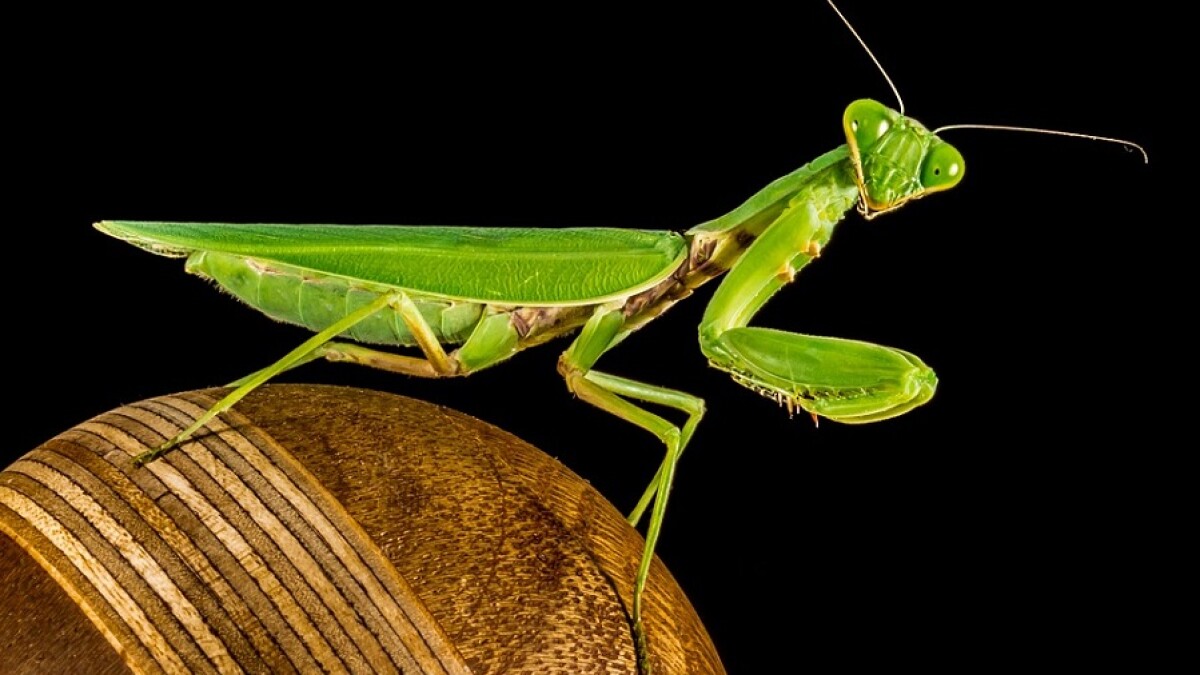
Praying mantis in the garden play a crucial role in natural pest control. These beneficial insects are known for their ability to prey on garden pests, helping to reduce the need for harmful pesticides. With their front legs poised and ready, praying mantises patiently wait for their prey to come within reach, acting as ambush predators. Their incredible camouflage allows them to blend seamlessly with plants and shrubs, making them even more effective at catching unsuspecting insects. But their contribution to the garden doesn’t stop there. Praying mantises also serve as important pollinators, aiding in the reproduction of native plants. Their presence can help ensure the health and diversity of your garden ecosystem. So, if you spot a praying mantis in your garden, appreciate the work it’s doing to keep your plants healthy and thriving.

How Does a Praying Mantis Benefit the Ecosystem?

Praying mantises are beneficial for the ecosystem as they control populations of pests like moths, beetles, spiders, lizards, and grasshoppers. Their natural pest control abilities help maintain a balanced garden ecosystem without relying on harmful pesticides. They also prey on mosquitoes and play a role in pollination, contributing to the overall health of the garden. Additionally, by keeping pest populations in check, praying mantises promote the growth of other beneficial insects like lacewings and ladybugs.

Pests Commonly Consumed by Praying Mantis

Praying mantises are voracious predators that feed on a wide variety of garden pests. These include aphids, caterpillars, ants, mites, and beetles, among others. They are particularly effective at controlling pest species that can cause significant damage to vegetation. Praying mantises are opportunistic hunters, preying on pests at various life cycle stages, from nymphs to full maturity.

Their front legs, equipped with sharp spines, are their primary weapons for catching and holding prey. With lightning-fast reflexes, they are able to snatch insects out of the air or grab them directly from plants. This makes them highly efficient at controlling pest populations in the garden.

By consuming these garden pests, praying mantises provide a valuable service to gardeners. They help protect plants and reduce the need for extensive pest management efforts. With the presence of praying mantises, gardeners can enjoy healthier plants and a more balanced ecosystem.

Interestingly, different species of praying mantises have varying preferences when it comes to their choice of prey. For example, the Carolina mantid (Stagmomantis carolina) is known to consume a wide range of insects, while the Chinese mantid (Tenodera sinensis) has a particular fondness for large beetles. These differences in diet add to the effectiveness of praying mantises as natural pest controllers.

With their appetite for pests and ability to keep populations in check, praying mantises truly deserve their reputation as a garden’s best friend. So whether you’re dealing with an infestation of aphids or a surge in caterpillar numbers, these fascinating insects are here to lend a helping hand.

Distinguishing Among Different Types of Praying Mantis

There are several species of praying mantis, each with its own unique characteristics and benefits. In North America, the Carolina mantis is a native species that offers natural pest control in its specific region. On the other hand, non-native species like the European mantis and Chinese mantis have been introduced for pest control purposes.

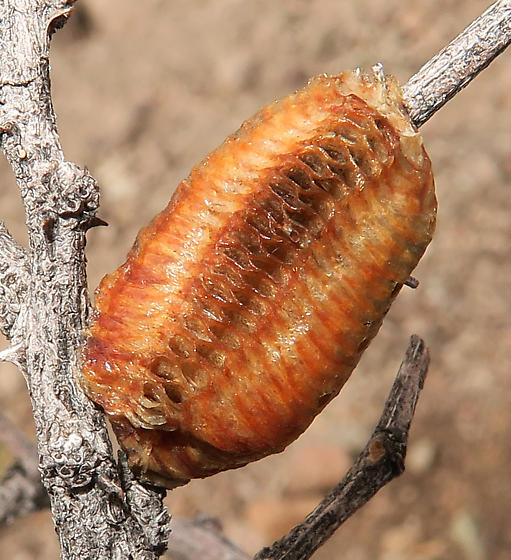
One way to distinguish among different types of praying mantis species is by their egg cases, which vary in appearance. Additionally, each species has its own mating habits and life cycle, adding to their individuality. For example, the Carolina mantis typically mates in late summer, while the Chinese mantis mates in early autumn.

Understanding the characteristics of different praying mantis species can help gardeners make informed choices for pest management. By selecting the right species, gardeners can maximize the benefits of these insects, such as their ability to control populations of pests like moths, beetles, spiders, and grasshoppers. Furthermore, certain species like the Carolina mantis and Chinese mantis are known to be effective predators of harmful insects like aphids and caterpillars.

By incorporating these factors into their garden planning, gardeners can harness the power of praying mantis to maintain a balanced ecosystem and reduce the reliance on harmful pesticides.

Characteristics of Various Praying Mantis Species

The garden is home to various praying mantis species, each with its own unique characteristics. One such species is the Carolina mantis, native to North America. This beneficial insect has front legs that resemble twigs in order to blend in with its surroundings and protect itself. On the other hand, the European mantis, introduced from Europe, boasts a larger size and a more aggressive hunting style. Another notable species is the Chinese mantis, native to Asia. It is known for its voracious appetite and larger size compared to other mantis species. These mantids differ in size, coloration, and behavior, but they all share one thing in common – their effectiveness as predators.

Choose the right praying mantis species for your garden and you will maximize its benefits for pest control. Whether you opt for the Carolina mantid, the European mantis, or the Chinese mantis, these creatures play a vital role in maintaining the balance of the ecosystem by preying on garden pests. Their presence in the garden helps reduce the need for chemical pesticides and promotes natural pest management. So consider introducing these unique and beneficial predators to your garden and watch them thrive as they control unwanted pests, but be aware a praying mantis is a voracious eater and it does not always distinguish between pest and friend.

Ideal Praying Mantis Species for Different Gardening Situations

The Carolina mantis, native to the eastern United States, is well-suited for gardeners in this region due to its ability to adapt to various garden environments. The front legs grab and capture prey, making it an effective hunter. On the other hand, the larger European mantis is a preferred choice in areas with significant pest populations as it can consume larger prey. Its size and aggressive hunting style make it efficient at controlling pests. Another suitable option is the Chinese mantis, known for its size and appetite. It is particularly beneficial for gardeners dealing with pests like grasshoppers and crickets. When choosing the ideal praying mantis species for your garden, it’s important to consider the pest species prevalent in your area, climate conditions, and the native mantis species available. By taking these factors into account, you can make an informed decision and maximize the effectiveness of praying mantis as natural pest control agents.

Commercial Availability of Praying Mantis

Praying mantis, in its various life stages, is commercially available for gardeners looking to incorporate these beneficial insects into their pest management strategies. Garden supply stores, online retailers, and pest management companies offer a wide range of options for purchasing praying mantis. It is important, however, to ensure that you source mantises from reputable suppliers that prioritize native species and ethical practices.

When considering the commercial availability of praying mantis, it is crucial to select the right species for your garden and climate. Different species of mantids, such as the Carolina mantid (Stagmomantis carolina) or the Chinese mantid (Tenodera sinensis), have specific characteristics that make them suitable for different environments. For example, the Carolina mantid is well-adapted to the eastern United States and can easily adapt to various garden environments.

Commercial availability of praying mantis makes it convenient for gardeners to introduce these beneficial insects into their gardens without much hassle. Whether you choose to start with egg cases, nymphs, or adult mantises, incorporating praying mantis into your pest management strategy can provide natural and effective control of garden pests. By adding these voracious predators to your garden, you can reduce the population of harmful insects like aphids and caterpillars.

With the ease of commercial availability, gardeners have the opportunity to enhance their garden ecosystem by introducing praying mantis and taking advantage of their natural pest control abilities. Remember to source mantises responsibly and choose the right species for your garden and climate to maximize the benefits of integrating these fascinating creatures.

Where Can You Buy Praying Mantis?

You can find praying mantis for your garden at garden supply stores, both online and physical. Pest management companies may also offer them as part of their natural pest control services. Additionally, you can explore online marketplaces and specialized insect breeders. Just make sure to check for proper shipping and handling protocols to ensure the mantis’ health. Consider any local regulations or permits before purchasing.

How to Introduce Praying Mantis into Your Garden?

To introduce praying mantises into your garden, choose the right time of year, provide suitable habitats and vegetation, and release them near plants with known pest populations. Avoid pesticides and monitor their activity for effectiveness.
Conclusion

In conclusion, the praying mantis is a beneficial insect that plays a crucial role in maintaining the balance of your garden’s ecosystem. By preying on common garden pests like aphids, caterpillars, and beetles, the praying mantis helps control their populations naturally without the need for harmful pesticides. There are various species of praying mantis, each with its own unique characteristics and suitability for different gardening situations. If you’re interested in introducing praying mantis into your garden, they are commercially available for purchase. Look for reputable sources where you can buy healthy and sustainable praying mantis eggs or nymphs. By welcoming these fascinating creatures into your garden, you can enjoy a more balanced and thriving outdoor space.
Spinach Grow Guide

Spinach Grow Guide Summary

I’m a fan of putting my summaries at the top – so if you don’t want to read all the extraneous material you don’t have to – you’re welcome. But there is more on everything I say here in the summary if you want to read it. There should be a table of contents at the top of this article as well.

Spinach is a cool season vegetable. Spinach needs 6 weeks of weather between 45° and 75° – stop planting when the weather is consistently higher than 75°, or below 45° to be certain, 35° if you want to take a shot. So we’re looking at planting in the Spring or in the Fall or both depending on where you are and your particular climate. This is why the spinach I planted in July sprouted in 2 days but then didn’t do anything else.

Spinach wants short days as well as cool weather. Temperatures in excess of 75° and more than 12 hours of daylight will speed up bolting. Bolting is when the plant flowers, we want to harvest before the spinach bolts or flowers, it becomes bitter after bolting.

Zone 10b

In Zone 10b we’re going to be restricted to planting spinach seed in the fall or early spring. The hot and dry conditions in the summer won’t work for spinach. As we discussed above it doesn’t like warm climates. Nevertheless we should be able to have mostly continual harvest for the rest of year.

Planting Spinach

Planting depth

Planting depth is surprisingly important no matter what you’re planting. If seeds are planted too deep, they may struggle to reach the surface, resulting in weak or stunted seedlings. Conversely, if seeds are planted too shallow, they may not receive sufficient nutrients and moisture to germinate successfully. Rule of Thumb: Plant no deeper than twice the width of the seed.

And the required depth varies from plant to plant. Larger seeds generally need to be planted deeper than smaller seeds. Small seeds may only need a light covering of soil, while larger seeds may need to be planted deeper to ensure they are adequately covered.

I wouldn’t depend too heavily on the instructions that come with your seed packets, unless they come from Ferry-Morse they take care to make their seed packets useful, but too often the instructions on the packets are not specific to the actual seeds you’re planting. Unless you are sure double check by checking 2 or 3 other online resources or books. We recommend several in most articles and in the Resource Section on the main menu – where we’ve listed every website, magazine or catalog we’ve referenced to write these article.

Spacing

Plant seeds two to four inches apart. It’s not uncommon to accidently drop more than one seed in a space. There are tools available to prevent this but I don’t bother with them. If you drop an extra seed it might just be the one that really wants to grow for you. When your plants are 2 to 3 inches tall, thin to 1 plant every 2 to 3 inches. Thinning is when you pull up the weakest of the two plants within the 2 to 4 inches. I always drop those into the soil to degrade or get eaten by earthworms.

If you’re using Square Foot Gardening, plant 4 to 9 per square foot. You’ll have to experiment with different varieties to figure out if it’s closer to 4 than to 9. I always err on the side of planting a few extra. We can always thin them out later.

Location, Location, Location

Spinach will grow with 3 to 4 hours of sunlight daily but will thrive with 6 hours. So when you read full sun to partial shade (a sneaky way to sound like you’re providing information when you are not) bear in mind how many hours of sunlight you have typically in the spot you’ve chosen. Full sun means 6 hours or more daily. Partial shade means less than 6 hours of full sun daily.

Location is ALWAYS critical when planting and growing anything. So consider the light and moisture requirements when deciding. Accessibility is also key, if you find the perfect spot on your property but it’s far from your house you’re less likely to go out and tend to your garden. Pests can decimate your harvest in a a day or two, too much sun, not enough sun, poor drainage will all make hard to grow vegetables successfully.

If you don’t have a good spot – you can create one, with a raised bed on wheels as I have ($100 from Home Depot when I bought it) or you can use containers. We’ll talk about that in the next section.

Growing Spinach

Growing Spinach in Containers

Spinach is well suited to container growing. Spinach leaves are relatively small and the plant It has a relatively shallow root system. Given it’s somewhat finicky requirements being able to move the plant to the best environment easily is a real benefit. Planting in a container allows you to control most everything, soil quality, light and moisture requirements and temperature. If it gets too hot where you have it move it to a cooler spot

As always make sure your containers drain well. Most anything will work but I tend toward pots that move easily so that rules out ceramic and clay. I save those for ornamentals. The size of the pot depends on how many plants you want in one pot – I usually put three. So I’ll use a 3 gallon plastic pot. Use a 1 gallon pot if you want 1 plant per pot.

Timing is Everything (right after Location)

It really is – plant at the wrong time and perfectly viable seeds and plants will perish. Unfortunately I’ve learned this from experience. Trying to make things grow where and when you want them to can only work in a completely artificial environment. Never in the garden. We need to let out plants grow into their space – but that is a discussion for another day.

Spinach Facts

Spinach Varieties

There are several varieties of spinach, each with its own unique characteristics. Some of the popular varieties of spinach include:

  1. Savoy Spinach: This type has dark green, crinkly and curly leaves. It’s a common variety found in many grocery stores and has a slightly bitter taste.
  2. Flat-Leaf Spinach: Also known as smooth leaf or just flat spinach, this variety has smooth, flat leaves and is easier to clean than Savoy spinach. It’s often used in salads.
  3. Semi-Savoy Spinach: This variety has leaves that are less crinkled than Savoy spinach but more textured than flat-leaf spinach. It combines some of the characteristics of both types.
  4. Baby Spinach: This is not a distinct variety but rather a term used for spinach that is harvested when the leaves are still young and tender. It is often preferred for salads.
  5. Red or Purple Spinach: Some varieties of spinach have red or purple stems and veins. While the leaves may still be green, the colorful accents add visual interest.
  6. New Zealand Spinach: Botanically different from common spinach, New Zealand spinach (Tetragonia tetragonioides) has similar culinary uses. It has succulent, triangular-shaped leaves and is more heat-tolerant than traditional spinach.

There are more – I got that list from ChatGPT and it didn’t mention any of the three varieties I’m trying right now Renegade, Bloomingdale and Veroflay. Here is a link to a spinach grow guide that lists a whole slew of varieties I haven’t heard of. And a picture of Red Malabar a heat tolerant variety.

Red Malabar Heat Tolerant Variety

In the meantime I had to look up “savoy types” – seriously what is savoy? Turns out it is a type of cabbage and it has crinkly leaves – it’s also a Noble family in Italy from 1861 to 1946 and it’s an area of Southeast France bordering on Italy. None of which in anyway explains using the word to describe a type of spinach. So, from all of that I’ve deduced it is spinach with crinkly leaves as opposed to the smooth spinach leaves we typically see in the grocery.

Growth Requirements

Spinach is a cool weather vegetable and requires 6 weeks of temperatures between 45°? and 75° to perform well. Actually I’m uncertain of the lower end temperature. I’ve read 25°, 35° and 45°. Experiment with your own climate – let us know how it went – journal what you do so you remember what worked and what didn’t. Here in zone 10b 35° is possible but unlikely – though between 40° and 45° isn’t unheard of in the winter.

There seems to be no disagreement about the high end – 75° seems to be it.

More Than You Ever Wanted to Know About Spinach

The botanical name for spinach is Spinacia oleracea. Spinach belongs to the Amaranthaceae family, and its scientific name reflects its classification in the plant kingdom.

Ancient Origins

Spinach has a long history and is believed to have originated in ancient Persia (modern-day Iran). It was later introduced to China in the 7th century and then made its way to Europe in the 11th century. Spinach gained popularity in the United States in the early 19th century.

Oxalic Acid Content

Spinach contains oxalic acid, which can bind with calcium and form oxalate crystals. These crystals can contribute to the formation of kidney stones in susceptible individuals. However, the oxalic acid content can be reduced by cooking or blanching the spinach.

Iron and Calcium Absorption

While spinach is often touted as an excellent source of iron and calcium, it also contains compounds like oxalic acid and phytates that can inhibit the absorption of these minerals. Consuming vitamin C-rich foods alongside spinach can enhance the absorption of iron, as vitamin C helps convert non-heme iron (found in plants) into a more absorbable form.

Questions:

When is the best time to plant spinach?

The best time to plant spinach is either spring or spring and fall, it depends on where you are and what kind of climate you’re in. See Growth Requirements earlier in this article.

How long does it take to grow spinach?

It takes about 45 days for your spinach to be ready to harvest.

How can I know when my spinach is ready for harvest?

Your spinach plant is ready to harvest when the leaves are big enough to eat. So in other words, it’s up to you. That said, if what you want is continual harvest, trim the outer leaves frequently, this allows the inner leaves to mature and encourages growth of new inner leaves.

If your plant begins to produce a flower stalk it’s done producing.

You can pull the entire plant if you want but leaving the roots in the ground even after the plant is finished producing will ultimately improve the health of your soil. The downside is it takes a while for them to decompose – and if your growing in containers it’s not relevant at all. In that case throw the plant in your compost pile when it’s done producing. You do have a compost pile right?

What are some common pests and diseases that affect spinach plants, and how can I prevent or treat them?

These are some of the pests and diseases that could affect your spinach plants. But if you’re growing in the right conditions most of these should not occur – prevention is always better than cure. That said …

Common Pests:

  1. Aphids (Aphidoidea): These tiny insects can cluster on the undersides of spinach leaves, sucking sap from the plant. They can distort leaves and excrete honeydew, leading to the growth of sooty mold.
  2. Leaf Miners (Liriomyza spp.): The larvae of leaf miner flies tunnel through the leaves, leaving visible trails. While the damage might not be severe, it can reduce the aesthetic appeal of the spinach.
  3. Flea Beetles (Phyllotreta spp.): These small beetles can cause small holes in spinach leaves, giving them a characteristic shot-hole appearance. Severe infestations can weaken the plant.
  4. Caterpillars: Various caterpillar species, such as cabbage loopers and armyworms, can feed on spinach leaves, causing significant damage.
  5. Slugs and Snails: These mollusks can feed on young spinach plants, leaving irregular holes in the leaves. They are most active during cool, damp conditions. (which just happen to be required for healthy growth of your spinach – another good reason to grow in raised beds)

Diseases:

  1. Downy Mildew (Peronospora farinosa): This is a common fungal disease affecting spinach. It appears as yellowish or pale green spots on the upper side of leaves, while a grayish-purple growth occurs on the undersides.
  2. Powdery Mildew (Erysiphe spp.): Another fungal disease, powdery mildew, manifests as a white, powdery substance on the leaves’ surface. It can affect the overall health of the plant.
  3. Fusarium Wilt (Fusarium oxysporum): This soilborne fungus can cause wilting and yellowing of the leaves. It’s particularly problematic in warm conditions.
  4. Leaf Spot (Cercospora spp.): Circular lesions with a dark center and lighter outer ring characterize this fungal disease. It can lead to defoliation if not controlled.
  5. Root Rot (Rhizoctonia solani): Excessive moisture or poorly-draining soil can contribute to root rot, causing stunted growth and wilting.

Preventive Measures:

  • Crop Rotation: Avoid planting spinach in the same location every year to reduce the risk of soilborne diseases. (Not relevant if you’re planting in containers and easily fixed in raised beds)
  • Proper Spacing: Provide adequate spacing between plants to improve air circulation and reduce the risk of fungal diseases.
  • Watering Practices: Water at the base of the plant in the morning to allow foliage to dry during the day, reducing the risk of fungal infections.
  • Natural Predators: Encourage natural predators like ladybugs and parasitic wasps to control aphids and other pests.

Regular monitoring, early detection, and prompt action can help manage pest and disease issues in spinach. Consider using organic or chemical controls as needed, following recommended guidelines for application.

References:

Spinach Planting & Spinach Growing | How to Grow Spinach General Tips – Bonnie Plants

December Gardening in Southern California 2023

Gardening in December

Historically I haven’t spent that much time in the garden in December. First Thanksgiving, then Chanukkah and Christmas and then New Year’s – we celebrate all of them so it gets busy – and it’s often cold and windy here in the San Fernando Valley where I am. I can go out when it’s cold and not windy or windy and not cold but both – not so much. But this year I’m hoping to have “cool season crops, by the middle of December.” See my Garden Notes for November for what I planted.

Mind you, I’m using the word “crops” loosely and mostly to get that word crops into the article for SEO purposes, but all sarcasm aside I’ve been reading about square foot gardening and I’ve got to say it really makes sense to me. Done right you end up with just the right amount of vegetables and you can be harvesting something all year.

We really never know what’s going to happen in with the weather in December it can go either way, hot and dry or cold and wet. But guess what we can do to protect our plants either way? You got it, MULCH. I know I say it in almost every post but it’s really that important. Whether it’s too hot or too cold a layer of ideally organic mulch will around your plants will insulate the roots and retain moisture.

Gardener’s Guide – What to do in Week 49 2023

What to Plant in December in Southern California

Continue Planting Winter Vegetables

We can continue planting winter vegetables from seed or garden packs, including beets and peas, kale and spinach, cauliflower (I like it but I never end up eating it) broccoli, celery and radishes, cucumbers, basil and collards. Collards, really in Southern California? I gotta look that up. We can still plant chard, cabbage and most lettuces. We can continue to plant leeks, asparagus, spinach, root vegetables and according to Yvonne Savio bulb onions, while Pat Welsh tells us that onions must be planted between Nov 1st and 10th – I’m writing this on November 8th 2023 – and I’m going to put my seeds into my raised bed in the morning.

Yvonne Savio at Gardening in La reminds us that when we plant seeds at this time of year fewer will germinate and they will grow slowly, so plant 2 to 3 times more seeds than you would in the spring.

Gardening Chores Week 49?

While December may not be the busiest time in your garden, there are still some important tasks to take care of during Week 49. Here are a few gardening chores you can tackle:

Start or Update Your Garden Journal

Why you should keep a garden journal

Truth is I don’t know if you should or shouldn’t, but I think if you want better harvests or better looking plants it’s a must have.

My take

Keep a garden journal to track your successes and your failures. It’s always a shot in the garden, maybe it’ll work, maybe it won’t. Maybe the weather will support us and maybe it won’t. But let me ask you this – a year from now whether you have a great harvest or have a cr*p year like I did, will you remember what you did? Or how many days of rain we had? How many unseasonable days?

The weather accounts for what 60% of your results? And your decisions and activities account for the rest. Anyway, if you know you can make adjustments year over year, you can’t help but get better results eventually.

What ChatGPT has to say (abbreviated and slightly edited by me)

…a garden journal… can be a valuable tool for both novice and experienced gardeners. Benefits include:

  1. Record Keeping: A garden journal allows you to keep track of important information such as plant varieties, planting dates, and locations. This record-keeping can be useful for planning future gardens, rotating crops, and identifying patterns or trends over time.
  2. Observation and Learning: Regularly recording observations about your garden helps you learn from your experiences. You can note what works well, what doesn’t, and why. This knowledge can be applied to improve your gardening skills and increase the success of future plantings.
  3. Seasonal Changes: A garden journal provides a historical record of your garden’s development throughout the seasons. This can be especially helpful for understanding the timing of specific events, such as when certain plants bloom or when pests are most active.
  4. Problem Identification: If your plants encounter issues such as diseases, pests, or nutrient deficiencies, a garden journal can help you identify patterns and potential causes. This information is crucial for implementing effective solutions and preventing future problems.
  5. Succession Planting: Planning for succession planting, where one crop is planted as soon as another is harvested, is easier with a garden journal. You can note the dates of plantings and harvests to optimize your garden space and ensure a continuous supply of fresh produce.
  6. Personal Reflection: Keeping a garden journal allows you to reflect on your gardening experiences, successes, and challenges. This can be a source of motivation and inspiration, helping you stay connected to the joy of gardening. (or, more likely and useful in my opinion, you can document any injuries you sustain while gardening and take steps to mitigate future injuries) i.e. don’t try to lift that, whatever it was you hurt yourself lifting the last time!)
  7. Garden Design and Layout: Over time, you can use your journal to evaluate the effectiveness of your garden layout and design. This information can be valuable when considering changes or improvements to your garden space. (I never do this but I should)
  8. Seed Starting and Germination: If you start plants from seeds, a garden journal can help you track the success rates of different varieties, note germination times, and optimize your seed-starting techniques. (Plus, I really like tracking whether a seed germinates when expected, I want to see if they also grow better than those that take longer to germinate).
  9. Weather Conditions: Recording weather patterns and conditions in your garden journal can help you correlate plant growth and health with specific weather events. This information can be useful for understanding the impact of climate on your garden.
How to keep a garden journal

I’ve tried a lot of different ways to do this. I’ve purchased gardening journals and used them, I’ve used notebooks and index cards – but mostly I’ve forgotten to do it and I’m always sorry. I also forget to take pictures which is always a bummer. So far I’ve had the most success keeping on online – I use Workflowey – I don’t print all of them here but you can see some under Garden Notes in these articles. I started adding them last month.

And in case you forgot what we’re talking about after all my rambling

More November Chores

Adjust Your Watering: Keep an eye on the moisture levels in your garden. Even though it may be cooler, your plants still need water. Adjust to the weather, the wind will dry out your plants even if it’s cold.

Finish planting all your Spring blooming bulbs on or before December 25th. Except for Tulips, hyacinths, and crocuses, plant them between Christmas and New Years Day.

When I first moved into this gardening zone 10b 25 years ago I planted Tulip bulbs, they never did that well, I think it’s too hot here, though they did come back for about 3 years. But I’m pretty sure in a cooler zone they’ll come back for years like my Daffodils do.

Edibles – Fruits, Berries and Vegetables

Strawberries

Again according to Pat Walsh the perfect time to get your bare root strawberries planted was last month between Nov 1st and November 10th. See my November article for my strawberry saga.

Blueberries

We can plant blueberries next month in January so now is the time to start looking for plants. Don’t assume the blueberries available in your local nursery will produce for you. Many nurseries sell varieties that won’t bear fruit in Southern California. Last year I tried purchasing in April which is just not the right time of year – see my rant about trying to buy blueberries here. Anyway I purchased at the wrong time and both plants died, so this year I’ve learned a bit more which I’ll share here and I’ll try again. But I’m not buying bare root this time.

I’ve read in several books and on more than one website that you’ll do best if you purchase two varieties so they will cross pollinate. But the really important thing is the chill hours. These two things are true anywhere you try to grow blueberries. Different varieties require more or less chill hours but they all need them.

Chill hours are the number of hours between 45°F and 32°F that a deciduous plant (like blueberries) requires to fruit and flourish. So it’s not how cold it is that is important, it’s the number of hours that the plant is in that temperature range.

Anyway here in zone 10b we want low chill varieties, particularly Southern Highbush and Rabbiteye varieties. Opinions run the gamut about which is better with the Southern Highbush varieties seeming to get more votes for taste while Rabbiteye might produce a little more. With any luck I’ll have my own harvest to report on in April and May of next year.

https://gregalder.com/yardposts/growing-blueberries-in-southern-california/

Ornamentals

Roses –

Spring Blooming Bulbs

Finish planting all spring-blooming bulbs before Christmas. EXCEPT – there are always exceptions aren’t there? Tulips, hyacinths and crocuses need cooler temperatures, plant between Christmas and New Years, UNLESS (another exception!) there is a heat wave – in that case wait until January.

Dahlias

To Lift or Not to Lift?

Many if not most experts recommend lifting your Dahlia tubers in December – that means digging them up and storing them in for the winter, often in perlite or other medium. I never lift my Dahlia tubers – I’m in Zone 10b so this is the only zone I can speak to on this – but mine stay in the ground.

These have been here for probably 10 years. I believe I planted two tubers in this area I think one was a Thomas Edison and the other (look up the name) any way they come up every year. Interestingly I never know what color they will be. They’ve been red, purple, yellow and several combinations of those 3 colors. This year they were yellow with some peach color like the ones I have in back.

This plant has only been here 3 to 5 years, I had about 30 blooms on this plant at one time this year. I didn’t get very good pictures but here – but this was the best bloom I’ve had in terms of numbers. But I’ve had bigger.

This white one has been coming up annually for three to five years. And this one in my atrium has only bloomed once – I’m going to move it but I haven’t picked a spot yet.

What I’m Planting Now


Most of my experience with plants is with ornamentals. About 80% – but now I have so many plants – probably over 1000 that I’m not that interested in propagating more – well that’s not totally true. But what is true is want to harvest more vegetables. I’ve done okay with tomatoes – actually I’ve done great but last year I planted too late. And I’ve done great with summer squash – but my pumpkins – well see for yourself – these are my pumpkins – super cute but nothing bigger than about 3 inches in diameter – so if you want to grow big pumpkins – you might want to get your advice elsewhere! Like here https://www.almanac.com/how-to-grow-giant-pumpkins.

Well I’m planting my Walla Wall onion seeds – however I’m not expecting much. It seems they are a long day variety (not mentioned on the pack) which according to Pat Walsh will never get enough hours of sun here. Now – I did get one onion out of those that I planted last spring – but again they weren’t planted at the right time and I need a short day variety. It’s too late now to get them planted by the 10th.

Okay, I went to Amazon just to see (feeding the beast) and I ordered Vidalia onion seeds for under $6 and they are supposed to be delivered by the 10th – we shall see.

I did in fact get my Vidalia onions into the raised bed by the 10th as well as short day variety I found in my seed collection – they’re called Texas Grano – but when I planted them I realized I would have to move them into the ground or a deeper container so I started to do some work on small small vegetable bed (see Garden notes below)

What I’m Growing Now

I’m finishing up this post on November 14th and my spinach seeds that put in the raised beds on November 4th just started to sprout today. You can see in my Garden Notes they are right on time. I’m also growing onions – discussed above and carrots and garlic.

What I’m Harvesting Now

Nada, zip, zilch – nothing that I’ve planted since summer, in my raised garden bed or in the ground has done anything – so I have nothing to harvest this November.

My Gardening Notes

References:

https://www.gardendesign.com/checklist/southern-california/december.html

https://www.gardeninginla.net/december.html

« Older posts

© 2026 Garden Geeking