For Garden Geeks

Month: August 2023 (Page 1 of 2)

Living Fences for Your Garden: The Power of Nature

Living Fences for Your Garden

What is a living fence and why should I consider it for my garden?

A living fence is a natural barrier created by planting trees, shrubs, or other plants close together to form a dense hedge. It provides privacy, acts as a windbreak, attracts wildlife, and adds beauty to your garden. Plus, it’s eco-friendly and sustainable compared to traditional fences.

When envisioning a picturesque garden, the mind often conjures up images of colorful blooms, well-manicured lawns, and charming pathways. However, there is one more element that can truly transform your garden while adding aesthetic appeal and practicality: living fences. These green, breathing barriers not only delineate spaces and provide privacy, but they also bring an enchanted touch of nature to your outdoor haven. In this article, we will explore the concept of living fences, their benefits, and various options for homeowners to consider in creating your very own enclosures.

The Beauty of Living Fences

A living fence, also known as a green fence or vegetative fence, refers to a border made from living plants instead of traditional materials like wood, metal, or brick. The allure of living fences lies in their organic charm and the sense of harmony they establish between the cultivated garden and the surrounding environment. Unlike conventional fences that can appear sterile and artificial, living fences exude life, changing colors with the seasons and offering a diversity of textures and shapes. Whether it’s the vibrant blossoms in spring, the lush green foliage in summer, or the warm hues of autumn, living fences provide a dynamic and ever-changing backdrop that enhances the beauty of any outdoor area
Benefits

Natural Aesthetics

Living fences blend seamlessly with the landscape, offering a more natural and pleasing visual appearance. They soften the edges of your garden, creating an inviting atmosphere that encourages relaxation and contemplation.

With customizable options in terms of height, thickness, and overall appearance, living fences offer an effective and sustainable means of achieving both functional and aesthetic goals. By choosing a living fence over a manufactured one, you’re making a sustainable and environmentally conscious choice for your garden.

Biodiversity

Promoting ecological diversity is one of the key functions of living fences. As a natural boundary they provide habitat for birds, insects, and other wildlife. The diverse range of plant species found in living fences also supports pollinators, contributing to the overall health of the ecosystem. Furthermore, living fences act as natural corridors, allowing wildlife to freely move between different habitats, creating connections and fostering genetic diversity. Additionally, the roots of the plants used in living fences help prevent soil from eroding and retain moisture, benefiting not just the fence itself, but also the nearby vegetation. As a result your garden becomes a miniature ecosystem that contributes positively to the local environment and playing a vital role in preserving and protecting the natural balance
Privacy and Noise Reduction

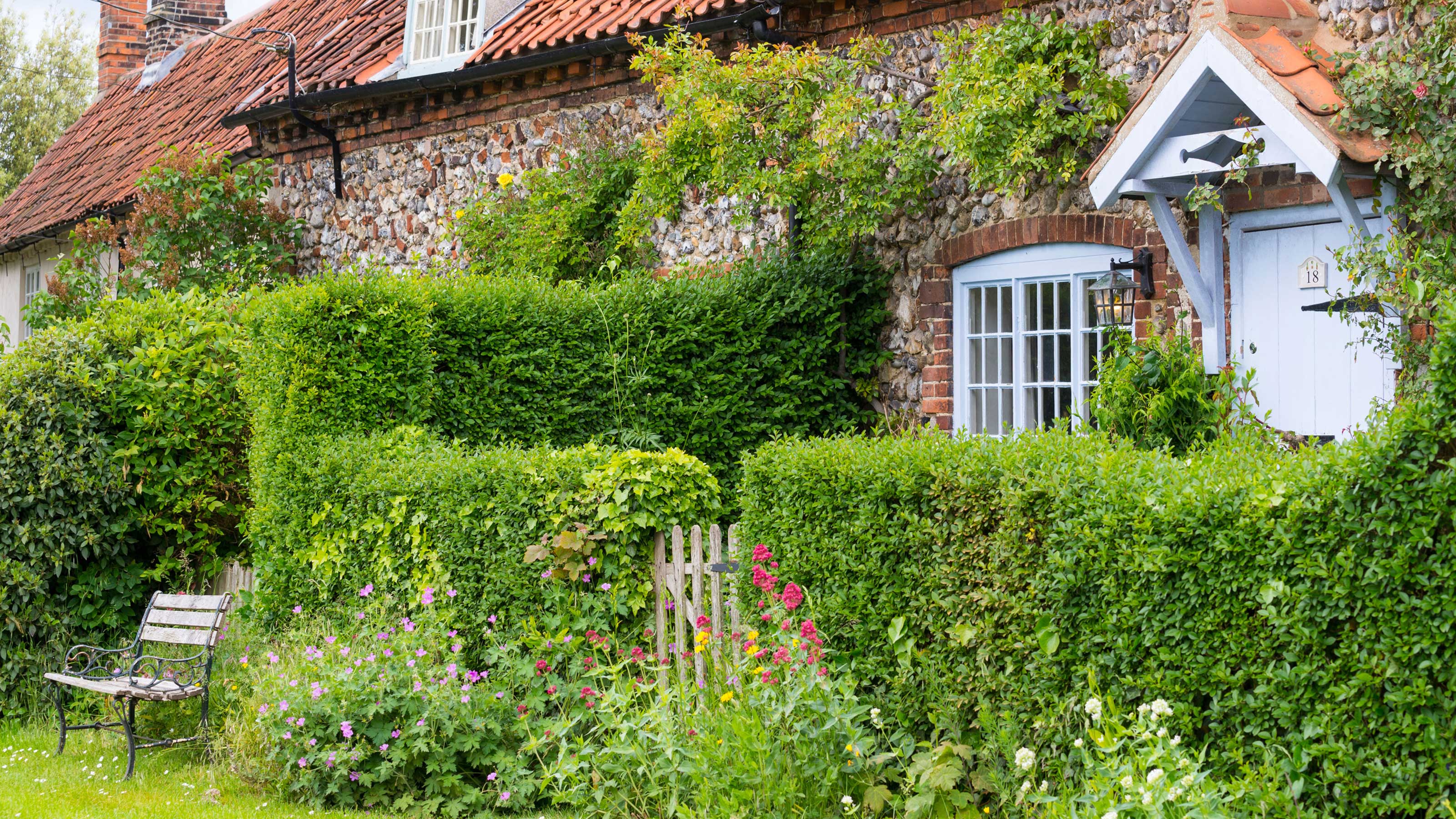
Just like traditional fences, living fences can become living privacy fences by creating a barrier between your property and the outside world. Additionally, the dense vegetation will dampen noise, making your garden a more tranquil space. And,they can add an additional layer of security and deter trespassers. This is especially true if you use plants with stout thorns such as Osage orange and hawthorn. Have a neighboring structure that is an eyesore? A living fence may be the answer.

In addition, living fences can help to screen out unsightly views, and provide privacy from nosy neighbors. If you’re looking for an attractive way to add some privacy to your garden, a living fence is a great solution.

Aesthetic Value

In addition to providing all of the above mentioned benefits, living fences also have aesthetic value. They can be used to define space in your garden and create distinct areas for different purposes such as entertaining, relaxing, or growing vegetables. A well- designed living fence can become a beautiful focal point in your landscape

Windbreaks

In areas prone to strong winds, living fences can act as effective windbreaks, protecting delicate plants and providing a more comfortable micro climate for both plants and humans. When winds are particularly strong, evergreen trees such as thuja, juniper, and Italian cyprus are great options as wind barriers. But, even the dense foliage of smaller living barriers act as a buffer slowing down the wind and redirecting its force. As the wind encounters the foliage, it is forced to rise and then descend, creating a turbulent flow that gradually loses its strength. This process, is known as wind friction.

Soil Erosion and Enhancement

The root systems of plants in living fences help stabilize soil, preventing erosion and runoff. This can be particularly valuable if your garden is on a slope. The foliage also acts as natural mulch, retaining soil moisture and increasing the soil’s organic matter and nutrient content.. Additionally, the droppings of animals and birds attracted to living fences helps enrich the soil with nitrogen.

Contribution to Sustainability

Living fences offer numerous benefits when it comes to sustainability and durability. Plants naturally filter the air by absorbing pollutants and releasing oxygen. A living fence therefore contributes to cleaner, fresher air. By utilizing plants instead of traditional manufactured fences, you will reduce your carbon footprint and conserve water by preventing soil erosion and reducing evaporation. . Furthermore, living fences provide natural insulation, reducing energy consumption for heating and cooling. More so than traditional fences, a living fence promotes biodiversity and contribute to the overall sustainability and health of the environment.

Pest Control

Living fences can have an important role to play in pest control. Certain plant species used in these natural fences emit natural repellents that effectively deter pests. Additionally, living fences attract beneficial insects that help to regulate and control pest populations within the garden. These fences also act as physical barriers, preventing pests from accessing vulnerable areas and causing damage. Plants with thorns or prickly leaves used in living fences can discourage larger pests like deer, offering an added layer of protection. By maintaining well-kept living fences, you reduce the risk of pest outbreaks and help maintain a balanced environment.

Maintenance

Depending on the plants chosen, living fences can require less maintenance compared to traditional fences. Once established, they often need minimal pruning and care.

Examples of Living Fences

Hedgerows

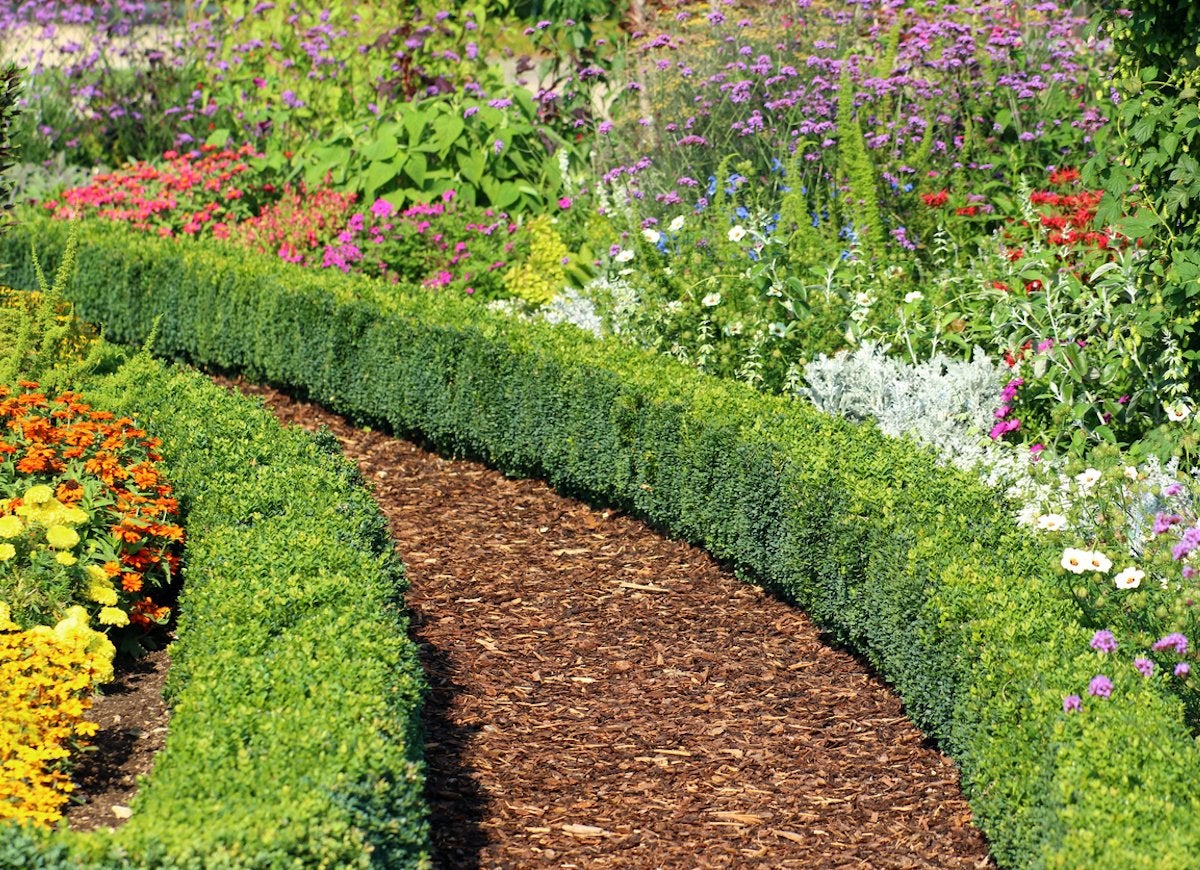
Hedges or Hedgerows are some of the most popular choices for creating living fences. They consist of a line of shrubs, small trees, or a mixture of both. Species like privet, boxwood, and hawthorn are commonly used for hedgerows due to their dense growth and ease of maintenance. Hedgerows can also be sculpted into many beautiful and creative forms.

Bamboo Screens

Bamboo is a versatile option for creating a living fence that adds a touch of exotic beauty to your garden. However, be cautious when selecting the specific species, as some can be invasive. Clumping bamboo varieties are generally better suited for living fences

Espaliered Trees

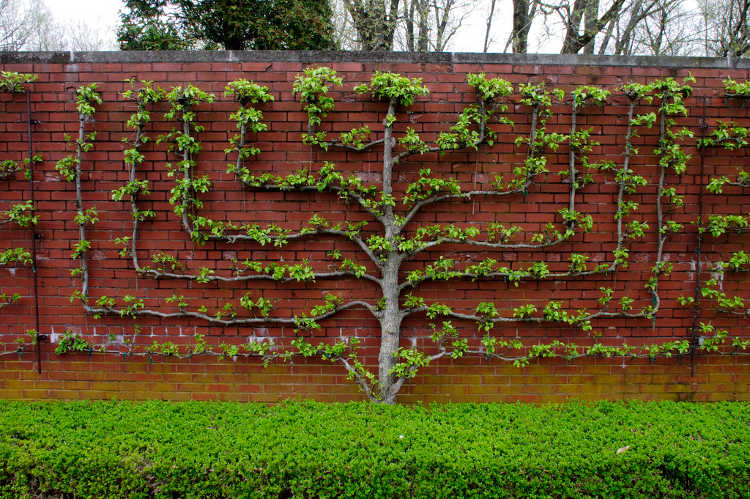
Espalier is an ancient horticultural practice that involves training trees to grow flat against a surface, like a wall or fence. By espaliering trees along a trellis or fence post, you can create an elegant living fence that produces both visual interest and fruit and uses space economically.
Perennial Grasses

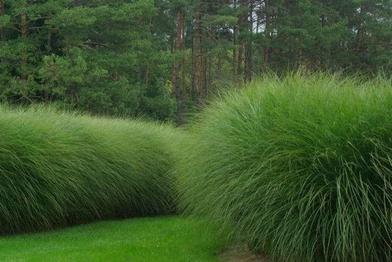
Ornamental grasses, such as miscanthus and pampas grass, can be arranged to form a striking living fence. Their tall plumes add texture and movement to your garden while still providing a degree of privacy.
Flowering Shrubs

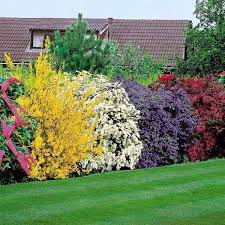
Incorporating flowering shrubs into your living fence introduces bursts of color and fragrance. Consider using roses, lilacs, or hydrangeas for a vibrant and visually appealing boundary. Birds and other animals will be attracted to those plants that produce berries.
Starting Your Living Fence

Starting your living fence is an exciting process that can enhance the beauty and functionality of your garden. Begin by choosing suitable plants based on their growth habits and desired functions, such as privacy screens or natural fencing. Properly prepare the soil by removing any weeds or grass and loosening it to ensure the plants thrive and establish a strong root system. Determine the desired height and width of your living fence to guide plant placement and spacing. Once your living fence is established, regularly prune and maintain it to promote healthy growth and achieve the desired shape. By following these steps, you can create a stunning and eco-friendly living fence that will be a great addition to your garden.

Plant Selection

Begin by choosing plants that thrive in your local climate and soil conditions. Consider factors like growth rate, mature size, and maintenance requirements. There are several options to consider. Evergreen shrubs like thuja and hollies offer year-round privacy and green foliage. Willows and vines provide a lush barrier with their fast growth and dense coverage. For arid climates or climates prone to droughts, cacti and bamboo are durable and low-maintenance choices. Juniper and privet are popular for creating windbreaks, while deciduous trees like lilacs and syringa add seasonal flowers and attract pollinators. Plants that produce berries will help attract birds and other interesting animals.

Maintenance Considerations

While living fences generally require less maintenance than traditional fences, some upkeep is still necessary. Regular pruning, watering, and occasional fertilization will help keep your living fence vibrant and healthy and your gardening rewarding.

Design Considerations

Spacing

Proper spacing between plants is essential for healthy growth and to achieve the desired density. Consult gardening resources or landscaping experts to determine the appropriate spacing for your chosen plants.

Height and Density

Consider the height and density you want for your living fence. Taller plants provide better privacy but may cast more shade on the garden. Balancing these factors is key to achieving your desired garden ambiance.

Are There Disadvantages?

Living fences can require regular maintenance, including pruning and trimming. Some plants used for living fences may have specific soil and sunlight requirements. Additionally, depending on the species, living fences may take several years to fully establish and provide complete privacy. In some cases, they may not be suitable for small properties with limited space. Moreover, living fences may require more initial investment and effort compared to traditional fences.

Conclusion

A garden enveloped by a living fence is a garden transformed into a living, breathing masterpiece. The interplay between nature and design creates an enchanting space that offers privacy, beauty, and a sense of ecological harmony. By choosing the right plants and design elements, you can craft a living fence that not only enhances the aesthetics of your garden but also contributes to the well-being of the environment and its inhabitants. So, whether you’re seeking solitude or simply looking to elevate the allure of your outdoor space, consider the magic of living fences – where beauty meets purpose in a seamless tapestry of green.

September Gardening in Southern California

In Southern California the gardening year begins in September, specifically in week 36. I learned that, once again, from Robert Smaus’ 52 Weeks in the California Garden, some 15 years ago. Smaus says “… fall is spring, at least as far as planting is concerned, and autumn not spring, should be our busiest time in the garden.”

This month sow the seeds you want to plant in the fall. And now is a good time to prepare your soil for next month. October is the best time in So Cal to plant almost anything. I always try (and often fail) to plan extra time in the garden in September. Even on the days it’s too hot we can spend some time in the early mornings and late evenings. Or we can plan for November and December. (I, for example, will spend some time going thru all the gardening catalogs I’ve been hoarding)

Is there anything that I can still plant this late in the year?

Yes! For So Cal growers and gardeners it’s not late!   There are several plants that can be planted in September in Southern California. Some options include cool-season vegetables like lettuce, spinach, and broccoli, and eggplant, as well as flowers like marigolds and pansies and poppies. Read the rest of this article for more on what I’m planting now and what you can plant now.

Sept 4th thru Sept 10th 2023

Gardening Chores in Week 36

What to do in Week 36 2023 – Plan or Plant?

This question always sends me into a bit of a philosophical tailspin.  But the answer is always the same – we have to plan and plant – and weed and clean and … you get the idea.  But right now we’ll want to shop for bulbs, both those we want to bloom in the spring as well as those that can bring us some welcome fall color.  

Edibles to Plant in Week 36

One Last Tomato?

In a couple of weeks you’ll want to start planting your cool season vegetables, which we’ll talk about in a minute, but right now you have one last chance to plant tomatoes. You’re probably not going to be able to start them from seed successfully right now but you can check your local nursery and see if they’ve got an early variety.

An early variety tomato matures and produces fruit faster than other types of tomatoes. They are bred to have a shorter growing period making them well-suited for gardeners like us who want to enjoy fresh tomatoes for as much of the year as possible. Early variety tomatoes set fruit and ripen in cooler temperatures and can withstand a light frost (not likely here in the San Fernando Valley for a while) but the point is it’s not quite over for tomatoes if you move on it now. They really say before Labor Day, but I think we’ve got this week to get it done.

Some examples of early variety tomato cultivars include:

  1. Early Girl: This is one of the most popular early varieties. It produces medium-sized, flavorful tomatoes
  2. Stupice: A small to medium-sized tomato with excellent flavor.
  3. Fourth of July: As the name suggests, this tomato is often ready for harvest around Independence Day in the United States. It produces medium-sized, round fruit with good flavor.
  4. Siberian: Siberian tomatoes are cold-tolerant and can produce small to medium-sized fruit early in the season.
  5. Glacier: Glacier tomatoes are known for their fast growth and early maturity. They produce small to medium-sized, round tomatoes.
  6. Sub-Arctic Plenty: This tomato is specifically bred for short growing seasons and cooler climates. It produces small, round fruit on compact plants.

I don’t know how many of these are actually available but I’m going to look for an Early Girl this weekend (I’m writing this the 2nd week of August) so by the time I get it this article published this will have been in the ground for at least a week.

What I’m planting now

The tomato I talked about in the last section. I put 8 or so more spinach seeds in my planter box on Aug 19th – I talk about this in my Garden Notes – and I put some potatoes – russets that had sprouted in my pantry into the main vegetable bed.

I’m planning to put together a raised bed for the spinach and maybe some lettuce – I’m going to keep it simple and buy a kit – I want the kind you can garden in standing up – I use a lot of spinach – I put in my dogfood and protein drinks most days.

Cool Season Vegetables

As usual this is not an exhaustive list of cool weather vegetables but I will list a few that you can plant and grow at this time of year.  Pat Welch, in her wonderful month-by-month Southern California Gardening Guide tells us we can plant these vegetables now, beets, broccoli, Brussels sprouts, (anyone know why Brussels is always capitalized? I’ve got to look it up) cabbage, cauliflower and celery, fava beans (short personal story at the end of the article about me and Fava Beans, if you are interested) kale, kohlrabi, leeks, winter lettuces, parsley, peas and potatoes, radishes, rutabagas, Swiss chard and turnips.

Remember, just because you can plant something doesn’t mean you should. Plant what you can keep up with and what you’ll use.

Ornamentals to Plant in Week 36

Irises in garden

Iris’s – Divide and Transplant Now

From mid-August to the beginning of September is the perfect time to pick up specialty Bearded Irises on sale. In my opinion there is no reason to have either a Japanese Iris or the boring purple we see everywhere. Personally I removed probably 50 Japanese Iris’s from my property when I moved here 25 years ago. In my garden they are a weed, and the purple are just dull.

For the best deals, check our your local farmers markets and look for an Iris Society chapter in your area. Near me we have the San Fernando Valley Iris Society. If you can’t find what you want locally, check out Breck’s. The only problem you’ll have is choosing which of these fabulous colors you want this year.

Proper care during this time will help ensure healthy growth and beautiful blooms in the coming year. Here’s what you should do with your bearded irises in September:

  1. Dividing and Transplanting: September is an ideal time to divide and transplant bearded irises if needed, usually every 3 to 4 years. Over time, irises can become overcrowded, leading to reduced flowering. Carefully lift the clumps of irises and gently separate the rhizomes (thick, fleshy roots) into individual sections with healthy roots and leaves. Trim the leaves to about six inches and replant the divisions in well-prepared soil, spacing them about 12-18 inches apart.
  2. Soil Preparation: Prepare the soil for your bearded irises by incorporating well-rotted compost, aged manure or other organic matter. Irises prefer well-drained soil, so amend heavy clay soil to improve drainage.
  3. Planting Depth: When replanting or planting new irises, make sure the rhizomes are placed just below the soil surface. The tops of the rhizomes should be exposed to the sun. Planting them too deep can lead to poor flowering.
  4. Watering: During September, the weather in Southern California will still be warm. Water your bearded irises regularly, especially after transplanting or dividing. Provide enough moisture to keep the soil evenly moist but not waterlogged. As the weather cools down, you can gradually reduce watering.
  5. Fertilizing: Apply a fertilizer with a low nitrogen content (such as a 6-10-10 formula) in early September and a 2nd application 4 to 6 weeks later. This will help promote root development without encouraging excessive foliage growth. (remember the specific numbers in your fertilizer are less important than their relationship to each other – so in this case we want the first number which is nitrogen to be the lowest)
  6. Mulching: Apply a layer of mulch around the base of your bearded irises. Mulch helps retain moisture, regulate soil temperature, and suppress weeds. Keep the mulch away from the rhizomes to prevent rot.
  7. Deadheading: Trim the spent flower stalks. This helps redirect the plant’s energy towards root and rhizome development.
  8. Pest and Disease Control: Keep an eye out for pests such as aphids and iris borers. Remove any damaged or discolored leaves promptly to discourage pests and diseases.

More Fun Facts About Iris’s

  • Iris’s do best with at least six hours of sunshine daily.
  • Deer aren’t fond of them – so if you have a problem with deer eating your garden you can plant Iris’s with confidence
  • Reblooming Iris’s will bloom in early to mid-spring and again in late summer to early fall
  • There are between 260 to 300 species of Iris
  • According to the Historic Iris Preservation Society many rare historic irises being grown in gardens across the US and around the world that are in danger of being lost forever.

Progress on Last Month’s Planting

So I told you in August I was going to plant spinach and pumpkins, which I did. I was really surprised to see the spinach come up within 4 days – then the pumpkins. I planted these seeds on July 30th. You can’t see the dimensions but these week old seedlings are already 2 inches in diameter.

Garden Notes

July 30th, 2023

  • planted the pumpkin seeds that I discussed in my Aug gardening article – I put them in the planter box that I saw in 52 Weeks and that Phil built for me – I like it a lot and I may ask him to build me another – I put a mixture of Frog Farm and Bertha’s Potting Mix about 3.4 of the way up then a mixture of vermiculite and perlite. I planted 5 pumpkin seeds several inches apart and 2 together – I only need one plant but I’ll keep the strongest two.
  • On the other side of the same planter box I sprinkled some Spinach seed – I’m not expecting it to germinate but I’m going to keep adding seed about every 3 weeks until I find the most productive planting time. Actually the package says germination is in 4 to 9 days so if nothing comes up I’ll put more down in two weeks. I think I will ask for another box just for spinach but let’s see if I keep this up first.

The Fava Bean Story

So, here’s my story about Fava Beans. I have never grown, purchased, cooked or eaten a fava bean. I have no recipes and barely knew that fava beans existed, until Covid 19. Yes, you heard me right. When Covid 19 hit California, and the staples hoarding frenzy began, my husband went shopping. And one of the extremely useful and necessary items he returned with was a bag of dried fava beans. I can’t really do the conversation about the fava beans justice – I do know that though many words were spoken, the why eluded me. They are still in my cupboard – I suppose I’ll find a recipe one of these days.

Garden Notes

  • Sat, Aug 12, 2023
    • it’s been a minute since I was outside – I worked on one plant tonight and pine needles – I took a before picture on my old phone – it the false garlic in the front living room planter – I pulled 90% of the dead stuff off – watered this afternoon and again this evening – deeply – cleaned up a bunch of crappy pebble filled soil and threw down the city soil that Phil brought a couple of weeks ago

July 30th, 2023

  • planted the pumpkin seeds that I discussed in my Aug gardening article – I put them in the planter box that I saw in 52 Weeks and that Phil built for me – I like it a lot and I may ask him to build me another – I put a mixture of Frog Farm and Bertha’s Potting Mix about 3.4 of the way up then a mixture of vermiculite and perlite. I planted 5 pumpkin seeds several inches apart and 2 together – I only need one plant but I’ll keep the strongest two.
  • On the other side of the same planter box I sprinkled some Spinach seed – I’m not expecting it to germinate but I’m going to keep adding seed about every 3 weeks until I find the most productive planting time. Actually the package says germination is in 4 to 9 days so if nothing comes up I’ll put more down in two weeks. I think I will ask for another box just for spinach but let’s see if I keep this up first.

10 Amazing Facts: Discover the Wonders of Hummingbirds

Have you ever seen a hummingbird in action? These tiny birds are fascinating to observe. They move at breakneck speeds, can hover in mid-air, and have an incredible metabolism that allows them to flap their wings up to 90 times per second. But did you know there’s so much more to these tiny creatures? In this blog, you will discover the wonders of hummingbirds with 10 amazing facts. From their unique heartbeat to their exceptional memory, to their acrobatics, you will be fascinated by these amazing birds.

Introduction

Hummingbirds captivate us. Their vibrant colors and rapid movements are a delight to observe. By delving into the world of hummingbirds, we can deepen our appreciation for nature. There are about 320 species of hummingbirds, found exclusively in the Western hemisphere. These tiny birds, weighing just a few grams, have amazing pectoral muscles that allow them to hover in mid-air and fly in any direction. With their sense of smell and love for red flowers, hummingbirds bring beauty and life to North America. Let’s continue to explore these amazing facts and these remarkable creatures!

What Makes a Bird a Hummingbird?

Hummingbirds, members of the Trochilidae family are only found in the America’s. They possess unique characteristics that distinguish them from other birds. They are the only birds capable of sustained hovering and can fly in all directions due to their wing structure. With long, slender beaks specialized for sipping nectar, hummingbirds also have a high metabolism and remarkable energy efficiency.

#1: Size and Speed

Hummingbirds, the smallest birds in the world, can weigh less than a penny. Their tiny size doesn’t hinder their astonishing feat of flying with an incredibly fast wing beat of up to 90 times per second. Their high metabolism enables them to consume up to twice their body weight in nectar every day. With excellent eyesight, they can perceive colors beyond our human spectrum and even in low light conditions. Hummingbirds can fly straight up, down, and even backwards. When faced with extreme cold or food scarcity, they enter torpor, a hibernation-like state where they slow down their metabolism and heart rate.

Size

Giant Hummingbird - Patagonia
Bee Hummingbird - Cuba

It is amazing to think in this tiny, agile birds are the evolutionary descendants of the largest land animals to ever roam the earth, lumbering dinosaurs. They are the smallest birds known. Sizes can range anywhere from 2 to 8 inches. The Bee Hummingbird, native to Cuba, holds the record for being the smallest bird species, measuring a mere 2.25 inches. On the other end of the spectrum, the Giant Hummingbird, found in the Andes, can grow up to 8 inches in length. Despite their petite size, these little birds possess remarkable strength and endurance. Their small stature allows them to navigate and explore intricate floral structures with precision and grace.

Speed

Hummingbirds are famously fast flyers. Powerful flight muscles enable them to achieve speeds of up to 50 mph. They can quickly dart between flowers in search of nectar, thanks to their swift movements and ability to change direction abruptly. What’s truly awe-inspiring is their capability to hover mid-air. Observing their swift flight is a testament to the hummingbird’s remarkable agility and maneuverability. It’s no wonder they have earned the nickname “hummers.”

#2: Metabolism and Energy Consumption

Hummingbirds possess an extraordinary metabolism, allowing them to meet their high energy requirements. To sustain their energy levels, they need to eat frequently. In fact, some species can consume more than their own body weight in nectar each day. However, since nectar lacks some of the essential nutrients, hummingbirds compensate by consuming small insects as a source of protein. Their ability to consume vast amounts of nectar and supplement it with insects is essential for their survival in the wild. This amazing fact ensures that hummingbirds can maintain their energy levels despite their tiny size and high energy demands.

#3: Brilliant Plummage

Hummingbirds boast iridescent feathers that shimmer with different colors depending on the angle. Males flaunt more vibrant and intricate plumage than females to attract mates. Interestingly, the dazzling hues of their feathers aren’t due to pigments, but rather the microscopic structure of the feathers themselves. These agile birds can move their feathers independently, controlling the amount of light they reflect and enhancing their brilliance even further. It’s worth noting that the colors of hummingbird feathers can also change based on lighting conditions and the bird’s behavior. Their brilliant plumage is truly a sight to behold.

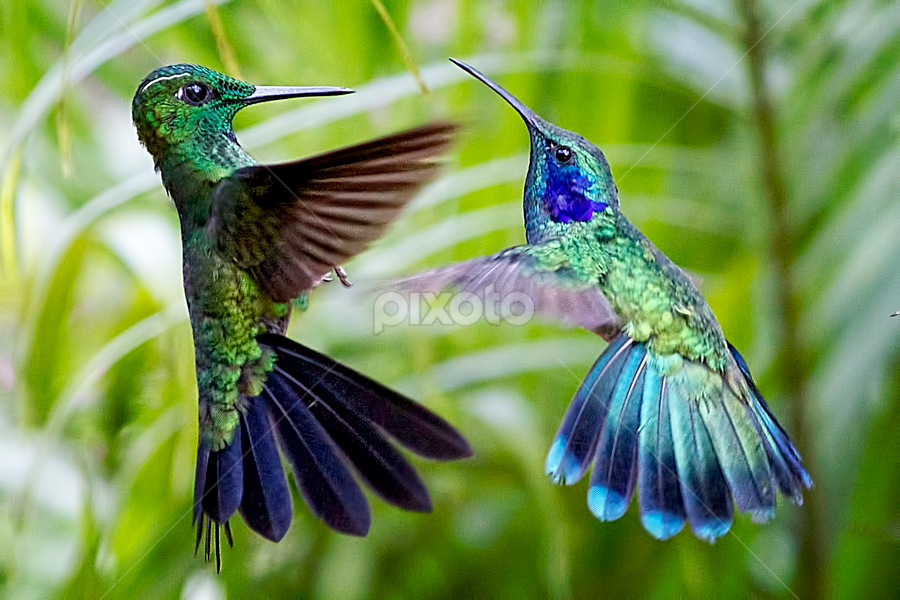
Violet Crowned Hummingbird

How Many Species of Hummingbirds Exist?

Approximately 360 recognized species of hummingbirds inhabit the Americas, from Alaska to Tierra del Fuego. Each species showcases unique characteristics and adaptations, highlighting remarkable evolutionary success.

#4: The Great Migration: Hummingbirds’ Long Distance Journey

While some hummingbirds stay year-round, others undertake impressive solo migratory journeys to tropical areas. The Rufous Hummingbird holds the record for the longest migration of any hummingbird species, traveling from breeding grounds in Alaska and western Canada to wintering grounds in Mexico and South America. Hummingbirds navigate thousands of miles using landmarks, celestial cues, and their exceptional memory. As they make their way south, they rely on their incredible sense of direction and memory to navigate through the vast distances.

Do Hummingbirds Return to the Same Place?

Hummingbirds are known for their site fidelity, often returning to the same breeding and wintering grounds year after year. This behavior allows them to benefit from familiar food sources and nesting sites. Female hummingbirds especially return to areas where they have successfully raised young. Their ability to navigate long distances and find specific locations showcases their remarkable memory and homing instincts.

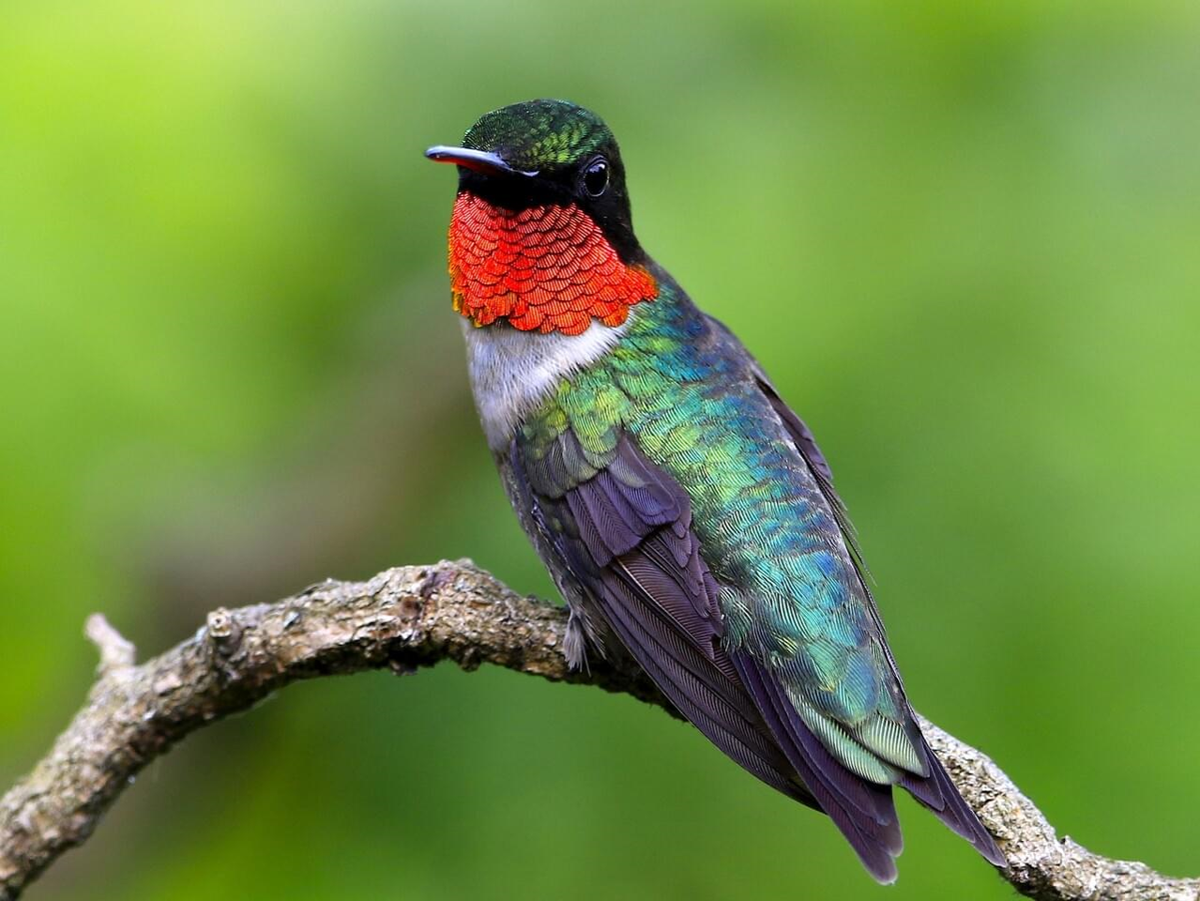
Ruby-Throated Hummingbird

#5: Exceptional Memory

Hummingbirds possess an extraordinary memory, enabling them to recall the precise locations of nectar-rich flowers. They remember every visited flower and accurately estimate how long it will take for the nectar to replenish. This remarkable memory allows them to efficiently navigate between food sources and find their way back to previously discovered blooms. With hundreds of flowers in their territory, hummingbirds rely on their exceptional memory to locate these vital resources. Their ability to remember specific flower locations plays a significant role in their survival and successful foraging.

#6: Unique Heartbeat

Hummingbird Heart

Hummingbirds possess a distinctive heartbeat, with an impressive rate of approximately 1,200 beats per minute. This rapid pulse is crucial for sustaining their high metabolism and energy needs. During flight, a hummingbird’s heart rate can increase even further, reaching up to 1,260 beats per minute. Such a swift heartbeat enables them to generate the extraordinary energy required for hovering and flying backward. The unique nature of their heartbeat is a captivating adaptation that empowers these tiny birds with their remarkable flight abilities.

#7: The Wonders of Hummingbird Torpor

Have you ever wondered how an animal with such a high metabolic rate can survive when temperatures drop or the food supply dries up? The answer is torpor, another amazing fact. Torpor is a fascinating physiological adaptation of hummingbirds and a few other animals. It is an essential survival strategy. In essence, torpor is a state of greatly reduced metabolic activity and lowered body temperature that allows these animals to survive when energy sources are scarce.

Energy Conservation

Hummers have an extremely high metabolic rate requiring a constant supply of nectar and insects. What happens when their food supply dries up? They enter a state of torpor where their metabolic rate can drop by as much as 95%.

Lowered Body Temperature

When in torpor, their body temperature drops significantly, often close to the ambient temperature of the surroundings. This decrease in body temperature reduces energy expenditure.

Controlled Arousal

While in torpor, hummingbirds are not completely unconscious; rather, they are in a state of reduced awareness. They can still sense their environment to some extent and can quickly awaken if a potential threat or food source is detected. This controlled arousal allows them to respond to changing conditions and adjust their torpor state accordingly.

Torpor versus Hibernation

Unlike hibernation which can last for months, torpor is of much shorter duration, often just at night. Hibernation is also a much deeper sleep. Hummingbirds can be aroused from torpor quickly to take advantage of the available natural resources.

#8: Courtship and Mating

Male hummingbirds engage in elaborate courtship displays to attract mates. They showcase their agility through high-speed dives and acrobatic maneuvers, captivating females with their aerial prowess. Their vibrant and colorful plumage further enhances their chances of wooing a potential mate. Once a female shows interest, the male performs a detailed courtship dance, flaunting his beauty and grace.

#9: Nectar-Feeding Specialists:

Hummingbirds, the nectar-feeding specialists of the avian world, possess remarkable abilities that set them apart. With their unique agility and hovering capabilities, they can access nectar from even the most delicate flowers. Their specialized tongue allows them to lick nectar at an impressive rate of up to 13 licks per second.Their extraordinary metabolism allows them to consume an astonishing amount of nectar daily. Their exceptional vision extends into the ultraviolet spectrum, enabling them to detect patterns on flowers that are invisible to the human eye.

#10: Pollination Prowess

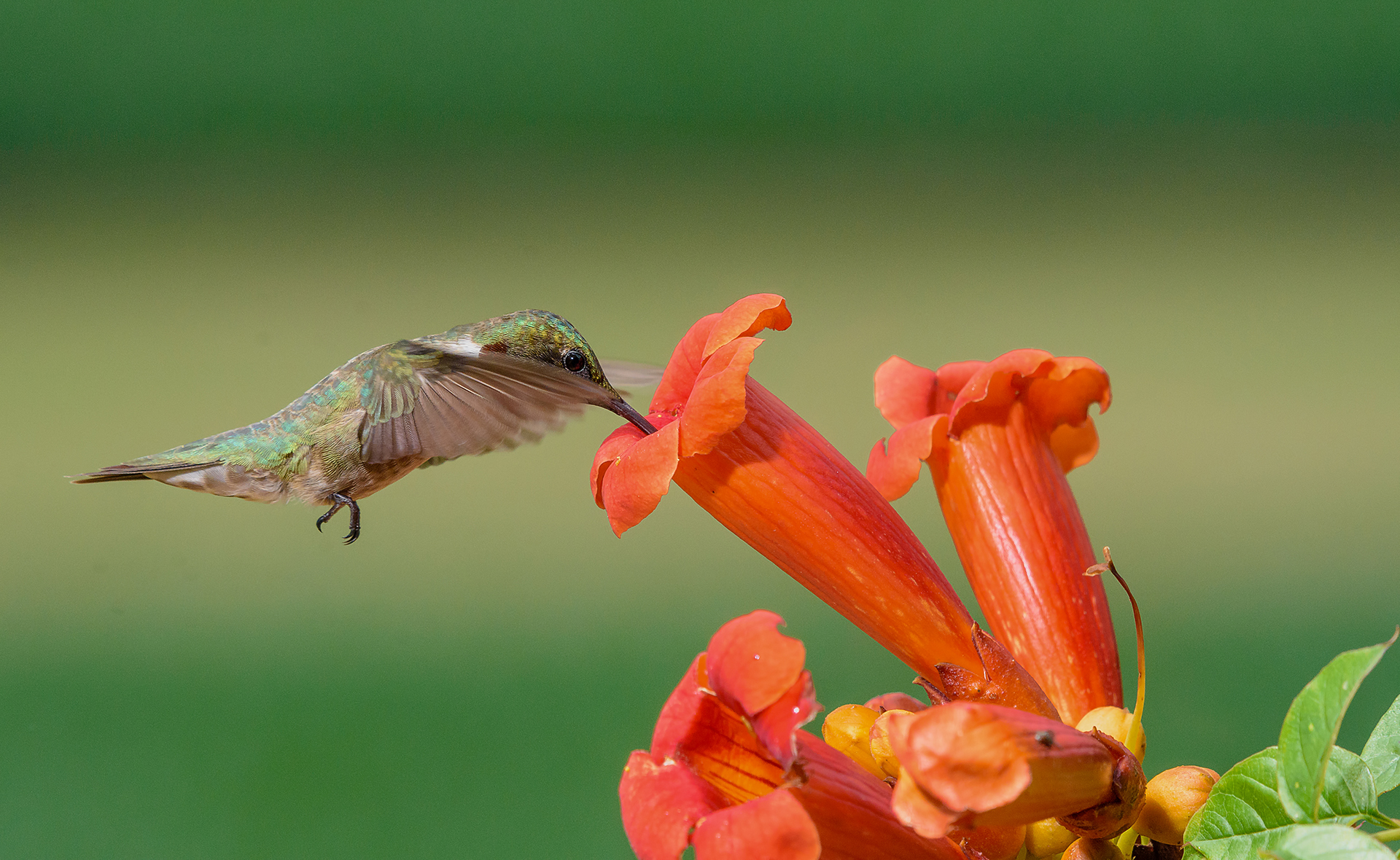
Hummingbirds exhibit impressive pollination prowess as they feed on nectar. In the process, they inadvertently pollinate flowers, thanks to their long beaks that often brush against the reproductive parts of flowers and transfer pollen. This pollination is especially vital for plants with long tubular flowers that rely on hummingbirds for reproduction. By visiting multiple flowers in a single foraging trip, these little birds play a crucial role in maintaining biodiversity and the health of ecosystems. Their symbiotic relatonship with plants encourages many of the amazing colors and shapes of flowers in our gardens. These fascinating facts highlight the significance of hummingbirds’ role in nature.

Conclusion

Hummingbirds, such as the ruby-throated hummingbird, are truly extraordinary creatures. With their exceptional memory, unique heartbeat, and the ability to enter torpor, they exhibit remarkable adaptations. Their elaborate courtship rituals and specialized feeding habits, like using a hummingbird feeder, add to their captivating nature. Moreover, hummingbirds play a vital role in the pollination of many plant species, ensuring the diversity and survival of ecosystems. Understanding and appreciating these amazing facts can deepen our appreciation for the natural world. So, the next time you spot one of these little birds hovering near red flowers, take a moment to marvel at their incredible abilities and the wonders of nature.

Explore Manhattan Beach Botanical Garden

Why the Manhattan Beach Botanical Garden in California?

Are you tired of the concrete jungle? Do you long for a peaceful oasis in the heart of Southern California? Look no further, explore the Manhattan Beach Botanical Garden, an oasis in the heart of the city! This hidden gem is a haven for gardeners and nature enthusiasts alike.

With its diverse collection of plants, serene walking paths, and breathtaking views. It’s the perfect place to escape the hustle and bustle of city life. In this blog post, we’ll take a closer look at what makes the Manhattan Beach Botanical Garden so special and why it should be at the top of your must-visit list.  

Explore Manhattan Beach Botanical Garden in Southern California

The Manhattan Beach Botanical Garden is a hidden oasis in the heart of the bustling city. With its lush greenery, vibrant flowers, and peaceful atmosphere, it’s a haven for nature lovers and a source of inspiration for garden enthusiasts.

The garden covers an area of approximately six acres and features a diverse collection of plants and trees, including native Californian species as well as exotic varieties from around the world. Visitors can explore winding pathways that lead to tranquil ponds, charming sitting areas, and educational displays that showcase the importance of conservation and sustainable gardening practices. The garden also offers a variety of programs and events throughout the year, such as guided tours, workshops, and community planting days. Whether you’re looking for a serene escape or an opportunity to learn more about the natural world, the Manhattan Beach Botanical Garden is a must-visit destination for all.

The Unique Flora and Fauna Found in the Arboretum

The Manhattan Beach Botanical Gardens boast a diverse range of flora and fauna, providing a tranquil escape within the bustling city. The gardens feature an assortment of native California plants, including vibrant wildflowers such as California poppies, lupines, and goldenrods. Each adorn the landscape with a burst of color during the blooming season. Towering oak and sycamore trees offer shaded pathways, while various species of succulents and cacti thrive in arid sections.

Fauna abounds, with several bird species gracing the area, including hummingbirds, finches, and sparrows. Butterflies flit among the flowers, adding to the enchanting atmosphere. The garden’s ponds and water features attract diverse aquatic life, such as koi fish and turtles. Visitors may even spot small mammals like squirrels, rabbits, and the occasional raccoon exploring the peaceful surroundings. The Manhattan Beach Botanical Gardens offer an inviting space for both nature enthusiasts and casual visitors to immerse themselves in the beauty of the local ecosystem.

Special Events and Activities at the Garden

Whether you’re interested in learning more about native plants, discovering new gardening techniques, or simply enjoying the beauty of nature, the botanical garden has something for you. Throughout the year, they host special events such as plant sales, art exhibits, and even live music performances. It’s a fantastic place to connect with nature and engage with the local community. Check out their Facebook page for updates

Guided Tours and Educational Programs Offered at the Manhattan Beach Botanical Garden, CA

The Manhattan Beach Botanical Garden offers a wide range of guided tours and educational programs for visitors of all ages. Whether you’re a nature enthusiast, a botany lover, or simply curious about the beautiful plants and flowers that thrive in the garden, there is something for everyone to enjoy. The guided tours provide an in-depth exploration of the garden’s diverse collection, with knowledgeable guides sharing interesting facts and stories about the various plant species. For those who want to delve deeper into their botanical knowledge, the educational programs offer workshops and classes on topics such as gardening techniques, sustainable practices, and plant identification. These programs are designed to engage and educate visitors while fostering a greater appreciation for the natural world. So whether you’re looking to expand your knowledge or simply immerse yourself in the beauty of nature, the Manhatan Beach Botanical Garden has something for you.

Volunteer and Job Opportunities at the Garden

The Manhattan Beach Botanical Garden in Southern California offers a variety of volunteer opportunities for individuals who are passionate about plants and nature. Volunteers have the chance to contribute to the maintenance and preservation of the garden’s diverse plant collection, as well as assist with educational programs and community outreach initiatives. Whether you have a green thumb or simply enjoy spending time outdoors, volunteering at the botanical garden provides a rewarding experience and an opportunity to make a positive impact on the local environment. From planting and weeding to leading guided tours and organizing special events, there are numerous ways to get involved and share your love for nature with others. If you’re interested in volunteering at the Manhattan Beach Botanical Garden, reach out to their volunteer coordinator for more information on how you can join their dedicated team.

Tips for Visiting the Manhattan Beach Botanical Garden

When you explore Manhattan Beach Botanical Garden, it’s important to plan ahead and make the most of your experience. Firstly, be sure to check the garden’s website or call ahead for any updates on opening hours or special events. Arriving early in the day can help you beat the crowds and enjoy a more peaceful atmosphere. As you explore the garden, take your time to appreciate the diverse range of plants and flowers on display.

Don’t forget to bring a camera to capture the beauty around you. Consider joining a guided tour or attending one of the garden’s educational programs to learn more about the various species and their unique characteristics. Lastly, be mindful of your impact on the environment by staying on designated paths. Refrain from picking flowers or disturbing wildlife, and disposing of any trash responsibly. By following these tips, you’ll have an enriching and enjoyable visit at the Manhatan Beach Botanical Garden.

Exploring the Various Themed Gardens Within the Botanical Garden

This Botanical Garden in Southern California is a true paradise for nature lovers and plant enthusiasts. Within its vast expanse, visitors can explore a myriad of themed gardens that showcase the incredible diversity of flora from around the world. From the tranquil Japanese Garden with its meticulously pruned bonsai trees and serene koi ponds, to the vibrant Desert Garden with its collection of cacti and succulents from arid regions, each themed garden offers a unique and immersive experience.

The Mediterranean Garden transports visitors to the sun-soaked landscapes of southern Europe, while the Tropical Rainforest Garden envelops them in lush foliage and exotic blooms. With its educational signage and knowledgeable staff, the Botanical Garden provides an enriching opportunity to learn about different ecosystems and plant species. Whether strolling through the fragrant Rose Garden or marveling at the towering trees in the Conifer Collection, a visit to these themed gardens is sure to inspire awe and appreciation for the beauty of nature.

The Importance of Supporting Local Botanical Gardens

Supporting local botanical gardens is of utmost importance for several reasons. Firstly, these gardens play a crucial role in preserving and conserving plant species, many of which are endangered or at risk of extinction. By maintaining collections of rare and native plants, botanical gardens contribute to the protection of biodiversity and the preservation of our natural heritage.

Additionally, these gardens serve as educational spaces, providing opportunities for people of all ages to learn about the importance of plants and their role in sustaining life on Earth. They offer a tranquil environment where visitors can connect with nature, find solace, and experience the beauty and wonder of various plant species. Moreover, local botanical gardens often engage in research activities that contribute to our understanding of plant biology and ecology, leading to advancements in fields such as medicine and conservation. By supporting these vital institutions through visits, donations, and volunteer work, we can ensure that they continue to thrive and fulfill their mission for generations to come.


The Incredible Journey of Hummingbirds

The Incredible Journey of Hummingbird Migration

Hummingbirds are one of the most fascinating creatures on Earth. These tiny birds are known for their incredible migration journey, and their ability to fly long distances at high speeds. But have you ever wondered how they do it? In this blog post, we will delve into the science behind the incredible journey of hummingbirds and explore the different patterns of their journey. We will also debunk some myths and misconceptions about these amazing birds, and discuss how climate change affects them. Additionally, we will cover how these birds navigate and how you can can create hummingbird-friendly habitats. So, let’s take a dive into their incredible journey.

Understanding Hummingbird Migration

Hummingbirds embark on migratory journeys in search of better food sources and breeding grounds, and to escape harsh winter conditions. These tiny birds travel thousands of miles. Different species showcase unique migratory patterns. During migration, hummingbirds rely heavily on nectar as their primary food source. Their migrations span across various regions, including Canada, the United States, Mexico, and Central America. In North America, sightings of hummingbirds during migration are most common from late February to September. The Gulf Coast and Western United States offer the most popular routes, but their range is wide. They can be found from Alaska to Florida, while in winter they retreat to warmer areas such as Southern Mexico and Panama. Understanding the intricacies of hummingbird migration provides valuable insights into their incredible journey.

The Science Behind Hummingbird Migration

is a fascinating phenomenon that is driven by a combination of genetics and environmental cues. Hormonal changes act as triggers for hummingbirds, urging them to embark on their incredible journeys. Interestingly, magnetic fields may also play a role in guiding these tiny birds during their long migrations. Hummingbirds possess a specialized sense of navigation that helps them find their way across vast distances, ensuring they reach their desired destinations. Additionally, climate and weather patterns significantly influence hummingbird migration, impacting the timing and routes they take. The scientific aspects behind hummingbird migration reveal the intricate mechanisms that enable these remarkable creatures to embark on their annual journeys.

Patterns of Hummingbird Migration

Hummingbird migration typically occurs in spring and fall, with some species traveling long distances, while others have shorter migration routes. These routes can vary from year to year based on changes in food availability and climate. During migration, hummingbirds often follow specific flyways or coastal routes. The peak migration times can differ depending on the species and the geographic location. Observations of hummingbird sightings show that their migration patterns span across Canada, the United States, North America, Central America, and even into parts of South America. Some species, like the Anna’s Hummingbird, can be found all year round in areas such as Alaska and the Western United States. Overall, these tiny birds undertake impressive journeys, navigating their way through various habitats to reach their wintering grounds in places like Panama and southern Mexico.

How Climate Change Affects Hummingbird Migration

Climate change has significant implications for hummingbird migration. One of the ways it affects hummingbirds is by disrupting the timing of flowering plants. This disruption can have a direct impact on nectar availability, which is a vital source of food for these tiny birds. Additionally, warmer temperatures caused by climate change can cause hummingbirds to alter their migration patterns. Changes in precipitation patterns can also impact the availability of water sources along their migration routes. Loss of habitat due to climate change further exacerbates the challenges faced by migrating hummingbirds, as it can affect the stopover locations they rely on for rest and refueling. Furthermore, climate change may lead to shifts in the distribution and abundance of certain hummingbird species, potentially affecting their overall population dynamics. These are just a few of the ways in which climate change can impact the incredible journey of hummingbird migration.

Hummingbird Species and Their Unique Migratory Traits

The migration of hummingbird species reveals their unique traits. The Ruby-Throated Hummingbird embarks on a long-distance journey, crossing the Gulf of Mexico. Rufous Hummingbirds boast one of the longest migration routes among North American hummers. On the other hand, Anna’s Hummingbirds are non-migratory, residing year-round in specific areas. The Calliope Hummingbird has the smallest breeding range compared to other North American species. Black-Chinned Hummingbirds exhibit varying migration patterns based on their breeding range. These extraordinary traits make each species stand out on their migratory path. From the Gulf Coast to Canada, from the Western United States to Central America, these tiny birds make their sightings from September to February. With elevations spanning from lowlands to high mountains, they navigate through diverse landscapes, exhibiting their remarkable capabilities throughout their journeys.

The Fascinating Route of the Ruby-Throated Hummingbird

During their migration, the Ruby-Throated Hummingbird embarks on an incredible journey. These tiny birds undertake a non-stop flight of up to 500 miles across the Gulf of Mexico, relying on their fat reserves to fuel their long-distance travel. The timing of their migration is closely tied to the availability of nectar-producing flowers along their route.

Interestingly, the return migration of Ruby-Throated Hummingbirds often takes a different route than their spring migration. Some individuals may even make multiple stopovers during their migration journey. This remarkable species can be spotted along diverse locations, from Canada and the United States to Central America and even the tropics. In conclusion, the Ruby-Throated Hummingbird’s migration route is truly fascinating, spanning diverse landscapes and relying on the availability of vital resources along the way. Their endurance and ability to navigate such lengthy journeys showcase the remarkable nature of these magnificent creatures.

Mysteries and Misconceptions About Hummingbird Migration

While scientists have made significant progress in understanding hummingbird migration, there are still many mysteries surrounding the exact triggers for this incredible journey. Unlike other bird species, hummingbirds do not migrate in large flocks. Despite their small size, these tiny birds can cover impressive distances during migration, showcasing their remarkable endurance and navigation skills. Ongoing research aims to uncover more about the mysteries of the incredible journey of hummingbirds shedding light on the factors that influence their routes and timing.

Debunking Myths About Hummingbird Migration

Contrary to popular belief, hummingbirds do not migrate on the backs of geese. Also, unlike geese, the incredible journey of hummingbirds is a solo act. There are no flocks of hummingbirds. Another myth is that they only migrate during the day, but they can actually travel during both day and night. Additionally, they

Hummingbirds are known for their long-distance migrations, with some species traveling thousands of miles each year to and from their winter homes. Many hummingbirds that breed in the tropics migrate northward to escape competition for food and take advantage of the abundant summer food supplies in the northern regions. On the other hand, most of the tropical hummingbird species do not migrate. Constant warm temperatures and plentiful food sources available throughout the year. make migration unnecessary.. The Ruby-throated hummingbird is one such species that migrates to the tropics along the Texas coast in mid-September touching northern Mexico and arrives in Costa Rica by October or early November.

While many hummers on the pacific coast, southern California and Arizona do migrate, not all participate in this seasonal journey. It is also a misconception that they always return to the exact same location during migration. Their wintering grounds and breeding season locations may vary from year to year. By debunking these myths, we can gain a better understanding of the remarkable abilities and behaviors of hummingbirds during their migrations.

Hummingbird Migration Maps and Predictions

The four main species of hummingbirds in North America are the Ruby-throated, Rufous, Black-chinned, and Anna’s hummingbird. Scientists utilize tracking devices and data from citizen science to develop hummingbird migration maps, which in turn aid in predicting the arrival of these tiny birds in different regions. These maps not only provide valuable insights for researchers studying migration patterns but also enable hummingbird enthusiasts to anticipate the appearance of specific species in their area. By tracking changes in their migration over time, these maps offer a glimpse into the dynamic nature of their journeys.

Whether it’s the anna’s hummingbird in the western United States or the Allen’s Hummingbird in Alaska, migration maps help paint a comprehensive picture of the timing and routes these birds take each year. From Canada to Central America, sightings can be expected from September to February along the Gulf Coast and southern United States, and even high elevations in the Rocky Mountains. The information provided by migration maps is invaluable in understanding the movement of hummingbirds across North America and beyond.

Interpreting Hummingbird Migration Maps

Hummingbird migration maps offer a visual representation of the general routes taken by different species. These maps use colors to indicate the timing of hummingbird arrivals in different areas. It’s important to note that the accuracy of migration maps can vary depending on the data sources used. However, they still serve as valuable tools for identifying important stopover locations for these tiny birds. By understanding and interpreting migration maps, we can gain insights into the behavior and movements of hummingbirds. Whether it’s tracking their journey from Canada to the United States or following their path through North America, Central America, and even into the tropics, migration maps provide a fascinating glimpse into the incredible journey of hummingbirds.

How Can You Help Migrating Hummingbirds?

Create a welcoming garden with nectar-rich flowers and hummingbird feeders. Ensure a safe environment for rest and refueling. Support conservation efforts to protect their habitats along migration routes. Spread awareness about preserving hummingbird populations.

Creating a Hummingbird-Friendly Habitat

Creating a welcoming environment for hummingbirds is essential to support their incredible journey. To attract these tiny birds, plant a variety of native flowers that offer abundant nectar sources. Including different shapes and colors in your floral selection will allure a diverse range of hummingbird species. Additionally, providing perches and sheltered areas allows them to rest and hide from predators. It is crucial to avoid using pesticides or herbicides in your garden as these can harm their food sources. Finally, maintaining a consistent and clean supply of nectar in hummingbird feeders ensures that they have a reliable source of sustenance. By following these tips, you can create a hummingbird-friendly habitat that supports their needs as they migrate through North, Central, and South America.

How Do Hummingbirds Navigate During Migration?

Hummingbirds navigate during migration by using a combination of instinct and celestial cues. They rely on landmarks like mountains and coastlines, as well as magnetic fields, to guide their way. They have an incredible memory and can remember specific locations and food sources.

Conclusion

In conclusion, the incredible journey of hummingbirds is a testament to their resilience and adaptability. These tiny birds travel thousands of miles every year, navigating through various obstacles and challenges. The science behind hummingbird migration is still being studied, but researchers have made significant progress in understanding their patterns and behaviors. Climate change poses a threat to their migratory routes and habitats, making it crucial for us to take action and create hummingbird-friendly environments. By debunking myths and interpreting migration maps, we can contribute to the conservation efforts of these remarkable creatures. So, let’s marvel at the awe-inspiring journey of hummingbirds and do our part to help them thrive.

« Older posts

© 2026 Garden Geeking